

























































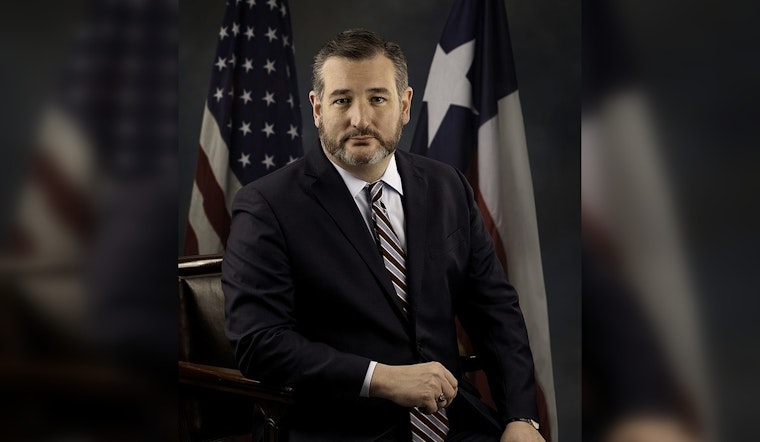
In a recent push to secure Texas' water rights, Senators Ted Cruz and John Cornyn have stepped up legislative efforts to pressure Mexico into adhering to a longstanding water treaty. As reported by The Texas Tribune, the two senators introduced a potential amendment to the National Defense Authorization Act aiming to enforce Mexico's compliance with the treaty through stringent measures, including economic restrictions.
The specifically targeted actions would result in a prohibition of federal aid to Mexico's private sector, a curtain on U.S. Trade and Development Agency funds for Mexican recipients, and a capping of foreign assistance to 85% of the appropriated amounts, exempting anti-opioid and synthetic drug initiatives. Ted Cruz voiced his concern, stating, "Texas farmers and cities are suffering because Mexico has consistently failed to uphold its end of the bargain and provide Texans with the water they count on in the framework of the 1944 Water Treaty." These remarks reflect escalating tensions as Texas experiences severe drought conditions, impacting agriculture and livelihoods across South Texas.
The House has already paved the way, with budget writers withholding funds from Mexico in anticipation of a resolution to the water deficit. Now, the Senate watches on as it contemplates similar measures. According to John Cornyn, as he mentioned in his statement, these legislative efforts represent a shift to a more aggressive stance, with the goal of compelling Mexico to take timely and decisive action.
This treaty mandate is bound by history, dating back to 1944, where Mexico is obliged to deliver 1,750,000 acre-feet of water over five years to the United States, while the U.S. reciprocates with water deliveries from the Colorado River to Mexico. Currently, Mexico's deficit stands at approximately 900,000 acre-feet, with a deadline looming at the end of the current five-year cycle in October 2025. However, with the drought affecting both sides of the border, representatives such as Jim Darling, the Rio Grande Regional Water Authority's executive director, express concerns over the practicality of meeting these obligations citing, "There’s not enough water to comply right now."
The issue extends beyond legislative chambers and flows into the fields where agriculture is a cornerstone. Laramie Adams from the Texas Farm Bureau highlighted the detrimental effects of the prolonged water scarcity, "It shut down because there’s simply no water," referring to the closure of South Texas' last sugar mill. The water crisis faces the region's farm and ranchland, placing economic stress on an already fragile agricultural sector.
As the debate over water rights continues, The International Boundary and Water Commission, tasked with overseeing U.S.-Mexico treaty obligations, refrains from commenting on the political developments surrounding the proposed amendment. Meanwhile, negotiations are underway to amend the treaty with a "minute," intended to enhance the predictability and reliability of water deliveries between the two nations.





