

























































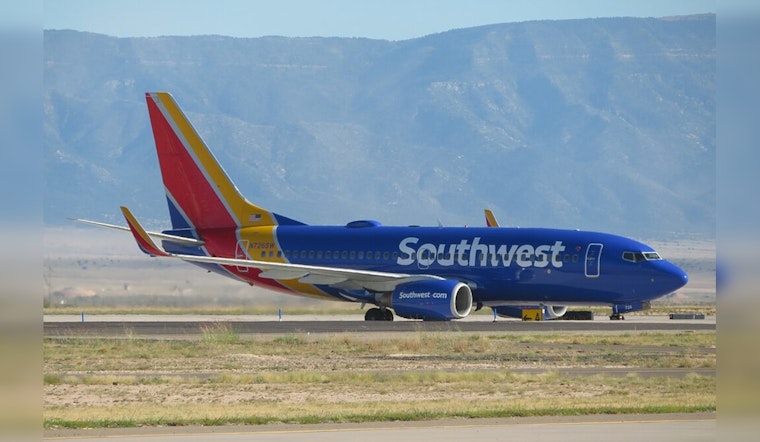
Southwest Airlines, the carrier known for its unique open-boarding process, is shifting gears after more than half a century. In a move that could reshape the passenger experience, the airline will start assigning seats and also introduce premium seating options for those desiring extra legroom, as confirmed by a recent announcement. The Dallas-based airline says the decision comes after recognizing a change in customer preferences and aims to bolster its financial footing amid a challenging period for the industry.
KSAT reported that these changes align with the results of an internal study and customer surveys conducted by Southwest. A principle driver behind the switch is to better to meet the desires of about 80% of its customers—and 86% of potential customers—who indicated a preference for pre-assigned seating. Southwest's CEO, Robert Jordan, told CNBC, “I know there are going to be customers who say, ‘I want to stay with open seating.’ It’s a minority, but we had the same thing when we switched from plastic boarding passes. We had the same thing when we took peanuts out of the cabin. I’m convinced we can win them over.”
Traditionally, Southwest's boarding method involved no assigned seating; instead, passengers would check in exactly 24 hours prior to their flight to secure a good boarding position. This efficient approach was a significant factor in Southwest's profitability prior to the coronavirus pandemic. However, passenger preference has since shifted towards the traditional assigned seating model used by most other airlines. The upcoming adjustments also include the launch of redeye flights on specific routes starting mid-February, offering more options for travelers.
The shakeup comes not only in response to changing customer tastes but also as Southwest deals with the scrutiny from both Elliott Investment Management, which has been critical of its financial performance, and the Federal Aviation Administration following a series of concerning flights. The discussion around safety and consumer contentment grows more urgent as Southwest witnessed a 46% decline in second-quarter profit, an issue aligned with overall industry trends. The company's latest moves, including both the seating changes and premium options, demonstrate proactive steps to reconciling longevity with contemporary demands, as detailed by FOX San Antonio.
In terms of financial results, it's not just Southwest grappling with these tough times; American Airlines also reported a 46% drop in second-quarter profit. This suggests a common thread of challenges faced by carriers today: rising costs and competitive pricing in a market where travel supply rapidly reacts to fluctuating demand. American Airlines CEO Robert Isom outlined a forward-looking response to the situation, focusing on strategies poised to make it easy for customers to do business with America. Despite the reported profits drop, Southwest Airlines’ shares saw a 3% gain followed by the disclosure, while American Airlines' shares climbed 5% in late-morning trading.





