

























































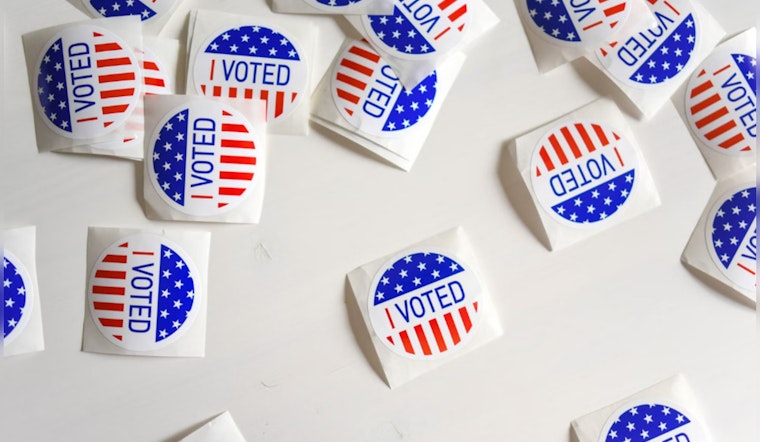
As Texas gears up for the 2024 elections, the stakes are high with the U.S. presidency, Congressional seats, and numerous state and local offices up for grabs; the political landscape has been shaken by President Joe Biden's exit from the presidential race, making Vice President Kamala Harris the favored nominee among Texas Democrats. The Texas Tribune reports, that locals are brimming with thoughts and opinions, and a publicly accessible form has been set up for residents to voice what's at stake for them in these elections.
The buzz is palpable across Texas as voters and non-voters alike weigh in—after all, while not every Texan can vote, all are touched by the policies that ripple from the hearts of their legislative chambers their voices and concerns are critical and the Texas Tribune is on a mission to capture this spectrum of perception from the residents of Texas. Interested parties are encouraged to share their sentiments on the electoral process and the issues that matter most to them, ensuring a diverse collection of views is recorded.
In an electoral twist, the anticipation for what's to come post-Biden has spiked Texas Democrat support for Harris as she steps into the presidential spotlight; this development hints at a potentially dramatic shift in voter support and raises questions on how the GOP will respond to such a change.
With a focus on inclusivity, the Tribune's outreach extends far beyond the typical voting demographic—they're calling on all residents, regardless of their eligibility to cast a ballot, because the decisions made at the polls affect everyone living within the state's borders from El Paso to Beaumont, from the Panhandle down to the Rio Grande Valley. As the form responses are expected to shed light on what truly resonates with Texans, from healthcare to immigration, from education to the economy.
For those with a need to better comprehend the political landscape as November 5 approaches, the Texas Tribune's expansive coverage offers a plethora of information on the upcoming elections, delineating the complexities and implications for Texans and, by extension, the country as a whole.





