

























































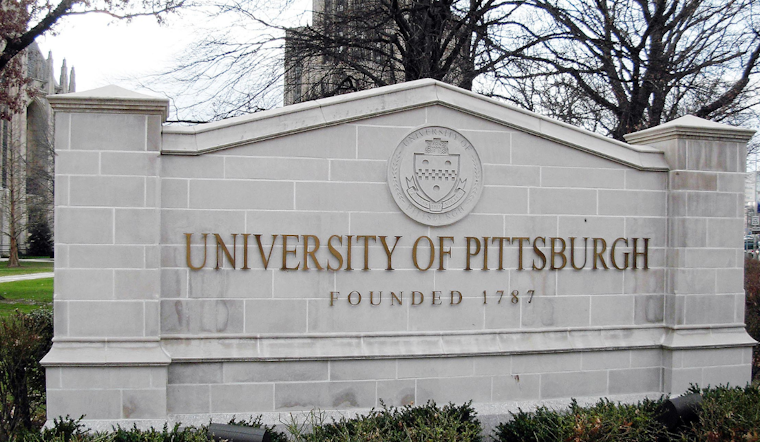
Students at the University of Pittsburgh are bracing for an uptick in tuition fees, with in-state undergrads and grads seeing a 2% climb for the coming academic year, while those hitting the books at regional campuses won't feel the pinch of an increase. Money matters came to light as Pitt's Board of Trustees gave the nod to a hefty $3.2 billion operating budget and a solid $265.2 million capital budget plan for fiscal year 2025. While the purse strings tighten for some, Chancellor Joan Gabel assured a balanced budget is in play, according to a report by TribLIVE.
On the heels of the state budget sealing the deal with the same funding as the year before, Pitt's finance officials tweaked the budget to reflect this continuity. Larry Merlo, chair of the board's Budget committee, clarified, "our revenues match or exceed our expenditures," addressing the security of the university's financial standing amid a tumultuous higher education landscape where peers are battling deficits, as detailed by University Times.
Part of the fiscal framework includes a salary pool for faculty and staff not represented by unions, pinned at 3 percent, combining maintenance increases with a smaller slice for merit, market, and equity-based raises. The approach is meant to keep Pitt competitive and appealing as a workplace, aligning roughly with the current tilt of inflation, according to Gabel's exposition at the board meeting. Represented faculty, on the other hand, will welcome a flat raise as per their May contract.
Research remains a cornerstone of Pitt's budget, with a whopping $1.2 billion earmarked for that sector, powered by funding from heavy hitters like the National Institutes of Health and the National Science Foundation. This befits Pitt's stature as a global pioneer in research and innovation, as Gabel emphasized. Compounding the financial game, student aid has rounded up to about $300 million, a figure that has ascended over 45% since 2019. This point of pride in student support is bolstered by a commonwealth appropriation earmarked just for lightening the load of in-state tuition costs, as reported by TribLIVE.
It's not all about numbers, though, as shared governance has its say in the budget dance, with various voices chiming in on how to divvy up the dough. Senate President Robin Kear gave props to Pitt for their sound budgetary footing, highlighting the role of shared governance in the process. Staff Council President Lindsay Rodzwicz lauded the 3 percent total salary pool for staff, recognizing its significance amidst the cost of living hikes, as University Times reported.
In response to the weighty question of cost management and the balancing act it entails, interim Chief Financial Officer Thurman Wingrove waxed confident about the university's financial future, owing to the disciplined handling of non-compensation expenses and a culture of creative and tight-fisted resource management. The specifics of these conversations, and more, have been made accessible to the public through Pitt's YouTube channel, where full recordings of the board's deliberations can be viewed, University Times mentioned.





