

























































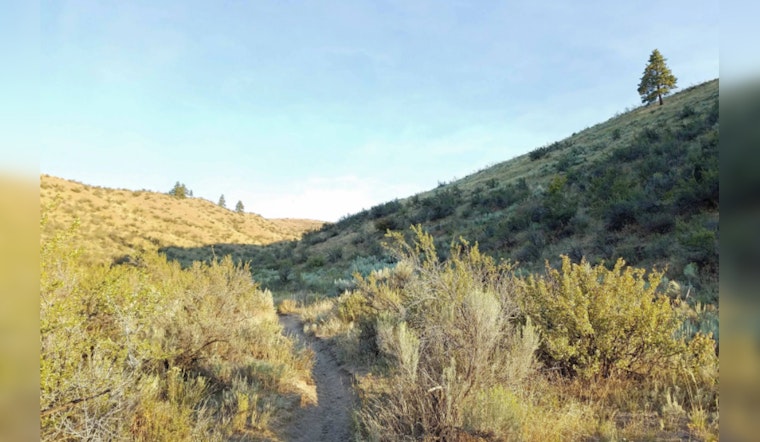
The Washington Department of Fish and Wildlife is reaching out to the public for opinions on a new rule aimed at curbing the spread of unauthorized paths across its landscapes. As overseers of over a million acres, the WDFW has issued a clear message: the lands under their watch, which serve as refuges for wildlife and natural habitats, are being frayed at the edges by trails and roads none have sanctioned.
As recreational use of these lands has surged, the implications have become a tangle of consequence. Notably, Heide Andersen, a Recreation Planner with the department, noted, "The number of people visiting public lands has grown in recent years, including on WDFW-managed lands." Andersen goes on to elucidate that with this influx comes an increased number of user-created shortcuts and trails, which tend to outlast their novelty with enduring detriment both to the environment and other visitors. Such alterations have been seen to pose a very real threat to the delicate balance of ecosystems as well as dig up issues over cultural and tribal sensitivities, according to a news release by the agency.
In response, the WDFW has proposed strict regulations prohibiting the creation of unauthorized trails, roads, and physical structures without direct consent. According to Cynthia Wilkerson, Lands Division manager with WDFW, the proposition isn't a lone standing pillar but rather a piece of a bigger picture, specifically the organization’s 10-Year Recreation Strategy for WDFW-managed lands. “In order to fulfill our mission, recreation must be deliberately planned and managed to consider the surrounding wildlife, habitats, and potential cultural or tribal resources that we are charged with protecting. This rule is an essential component of that work,” she stated.
Precursors to the proposed rule can be found on lands managed by similar entities, such as the Washington State Department of Natural Resources and the U.S. Forest Service. The WDFW is accepting public input on the measure which carries implications for the future of Washington's treasured wilds.





