

























































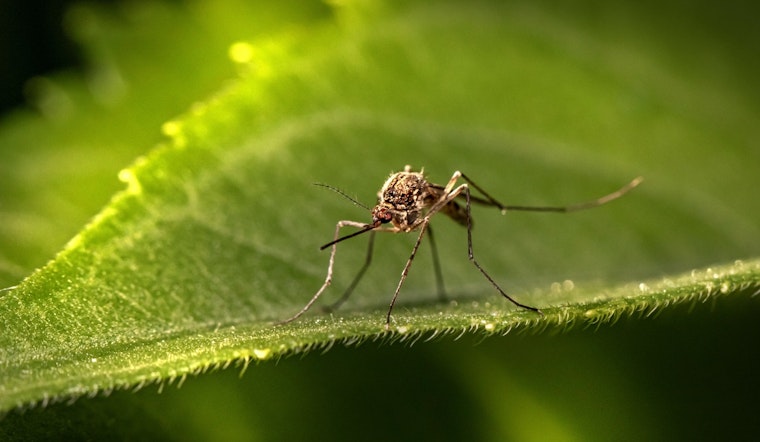
In Taylor, Texas, a second mosquito trap this month has been confirmed as carrying the West Nile virus, raising concerns among local residents and prompting city officials to take action. As reported by KXAN, the pesky vector was caught near the intersection of East Third Street and Washburn Street on July 9, and its infectious cargo was detected shortly thereafter. The first infected trap, identified by a sample from July 2 close to North Drive and T.H. Johnson, was raised earlier this month by officials.
As the mosquito-borne threats simmer in the height of summer, the City of Taylor and the Williamson County Cities and Health District (WCCHD) are collaborating to schedule mosquito spraying in hopes of curbing the spread of the virus, though a date for the operation has not been finalized, the city suggested on their social media; the public awaits an update on when the skies will be cleared of the winged nuisances. In addition to the spraying, measures are being communicated to residents to minimize risks, including the elimination of standing water where mosquitoes breed and the use of protective clothing and repellents. The City of Taylor has reported a total of seven West Nile-positive mosquito samples across the county since the 2024 season's inception according to their KXAN announcement.
Residents are urged to adopt health officials' consistent advice: drain sources of standing water which could become breeding grounds for mosquitoes, don attire that covers the skin during peak biting hours from dusk to dawn, and apply EPA-registered insect repellents such as DEET to their skin. Last year, Williamson County saw 35 positive samples and one human case of the infection, reminding us of the serious risk West Nile virus continues to pose to public health. The "four Ds" of defense—draining standing water, being cautious at dusk and dawn, dressing for protection, and using DEET—are strategies recommended to help stave off the spread of the virus, as outlined by the CBS Austin.
For individuals bitten, the risks are not always grave; about one in five infected persons develop symptoms which might include headache, body aches, and fever, yet a small percentage can suffer severe neurological effects, particularly those over 60 or with pre-existing health conditions consequently, vigilance and proactive prevention measures are paramount. For more information on the virus, its prevention, and the current state of testing and detected cases, the City of Taylor provides resources on its website, and the Centers for Disease Control (CDC) maintains a broader national purview accessible online.





