

























































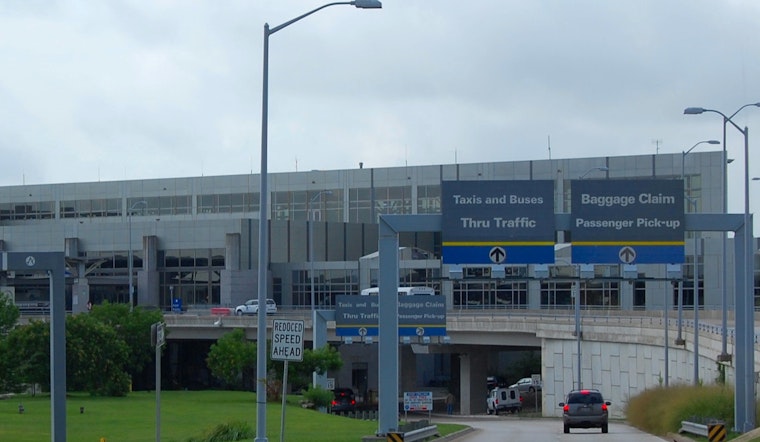
Austin's Austin-Bergstrom International Airport (ABIA) is currently grappling with significant staffing issues, even as it undergoes a considerable expansion program. The airport's vacancy rate is causing concern among city officials, standing at 19.6% as of late June 2024, according to Community Impact. This figure starkly contrasts with the citywide position vacancy rate, which officials reported at 10%.
While the vacancy rate at ABIA has seen a decrease from over 35% in July 2023, the numbers remain worrisome — particularly because the airport’s vacancy rate is still well above the rate for other city departments. As council member Vanessa Fuentes noted in a session reviewing the fiscal year 2024-25 budget, “I’m very concerned about a 19% vacancy rate at our airport, especially in this crucial period that we’re in with the airport expansion program,” as KXAN reported. Despite a retention stipend last year that temporarily reduced turnover rates, this incentive has not been factored into the current budget proposal, leaving the vacancy challenge unresolved.
The staffing crisis arises amidst a significant scaling up of airport operations. City Council approved contracts worth nearly $200 million for improvement projects in July and is expected to review additional contracts for projects totaling more than $2.16 billion in the upcoming months. These projects include the construction of a new midfield terminal and a subterranean passenger tunnel.
Addressing the staffing situation, Aviation CFO Rajeev Thomas highlighted the struggle in filling 'hard-to-fill' roles such as electricians, engineers, and carpenters. Thomas revealed to Community Impact, “When you go into this kind of expansion program with a very high vacancy rate and your ability to staff and cover all those areas that we need to cover—the gates, all the surface area that we need to cover at the terminal and the new gates—I mean, that is concerning. It is something we have to fix. Otherwise, having the facilities without having the personnel, that’s not a good recipe.”
ABIA's recruitment challenges seem to stem from lower pay rates in comparison with other airports, coupled with Austin's high cost of living. The pay for certain airport positions was reported by KXAN to be 10% to 30% below that of other airports. This has hindered ABIA's ability to attract talent from elsewhere. City Manager T.C. Broadnax communicated that he would work with the HR department and compensation team to address the pay and hiring issues at the airport. “In theory, you get what you pay for," he said. "I know it is very competitive. I know the airlines ... are quite sensitive ... around the cost of their overall impacts on them and ticket prices, particularly with this large expansion. I’ve heard from a few of them directly. But, you can’t have a high-functioning operation if you don’t have the people”
City officials acknowledge that updating compensation structures across the city is urgently needed, with a review upcoming at an August meeting. Council Member Alison Alter cited the experience with Austin's 911 call center, which faced similar staffing challenges before eventually achieving full staff. Alter stressed the need for a reevaluation of compensation policies, hinting that ABIA's airlines could potentially provide more support.




