

























































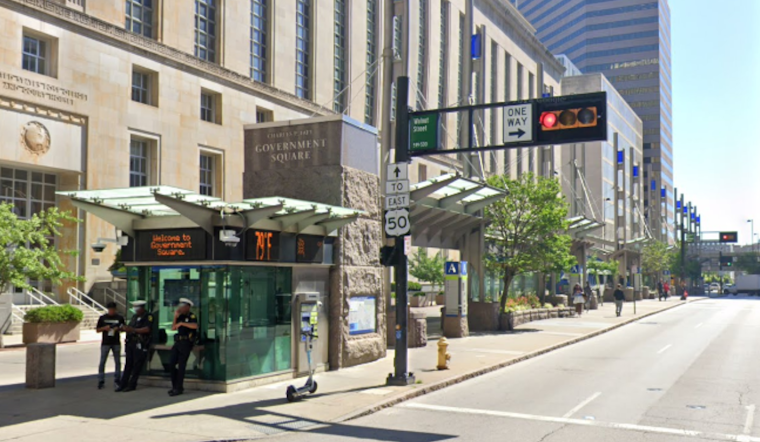
Changes could be on the horizon for downtown Cincinnati's transit landscape. Metro, the region’s largest transit agency, has called on experts to weigh the feasibility of relocating its central Government Square bus station. As reported by Local12, potential sites under consideration include the underutilized Riverfront Transit Center underneath Second Street or other downtown locations.
This move, significant in scope, could extend travel times for the throngs who depend on Government Square daily. An analysis by a former Metro board member suggests that commutes could increase by up to 12 minutes. Amidst these discussions, the organization continues its repair and update operations at Government Square, with stakeholders prompting the request for proposals (RFP), according to Brandy Jones, Metro’s chief communications and marketing officer. However, the identities of these stakeholders and their specific grievances remain undisclosed, as noted in an interview with the Cincinnati Business Journal.
The pursuit of an RFP indicates Metro’s responsiveness to suggestions for operational improvements. Still, it also stands as a testament to the deep interconnectivity between transit systems and the communities they serve. Altering a primary nexus like Government Square isn’t merely about engineering or architecture; it's intertwined with the everyday rhythms of countless individuals.
Metro's decision process is framed by the considerable impact on commuters, where a potential additional wait time stands at the confluence of convenience and necessity. "Metro was in the midst of repairing and updating Government Square when stakeholders asked it to evaluate how the bus system functions in the city center," Brandy Jones said in Local12 news. The complexities of such a move ripple beyond the simplistic notion of relocating physical structures to the intricate web of human lives and urban flow.
The entire process is still in the evaluative phase, indicating that any potential moves would likely not be immediate. But as the city awaits the conclusions drawn from the RFP, Cincinnati citizens find themselves pondering the implications of what a relocated main bus hub might mean for the cadence of their daily travel and, by extension, their lives.





