

























































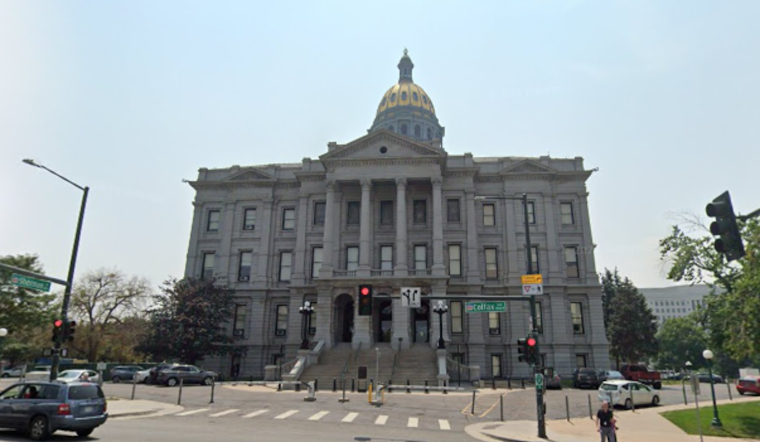
In a decisive maneuver to address the property tax debate in Colorado, Governor Jared Polis has called for a special legislative session set for August 26th, aiming to further alleviate the tax burden for residents and to thwart looming ballot measures that could disrupt state funding for education and other services. As reported by the Office of the Colorado Governor, the special session is part of an ongoing effort to reconcile taxpayer relief with the financial needs of vital state institutions like schools.
"We are focused on saving Coloradans money on property taxes, and in doing so, protecting school funding and higher education, preserving our economic competitiveness, and avoiding risky ballot measures," the Office of the Colorado Governor stated, emphasizing the critical balance between tax relief and sustenance of essential services. The proposed tax relief measures, by further reducing assessment rates and adjusting local and school district caps, are estimated to save property owners an additional $270 million in Property Tax Year 2025 on the heels of SB24-233’s relief provisions.
Under the Governor's proposed framework – which hinges on the withdrawal of Prop. 108 and Initiative 50 from the November ballot, taxpayers are promised savings while maintaining steady streams of finance for public education and other community obligations. This bipartisan approach, which Governor Polis alluded to as successful in previous negotiations between environmental groups and the oil and gas industry, seeks to bridge the divide and preclude the need for similar ballot measures in the future.
Colorado's government has made strides to rein in property tax rates in recent years, with legislation such as SB22-238 and the bills emanating from the 2023 special session, offering substantial savings to Coloradans. Earlier this year, SB24-233 was signed into law by Governor Polis, cutting property taxes by $1.3 billion for 2024 and 2025, a measure that is set to deliver an average of $500 in relief for Colorado families. Adding to these taxpayer benefits, utility companies Xcel and Black Hills are mandated to pass property tax savings onto their customers, projected to save them about $100 over the next five years on energy bills.




