

























































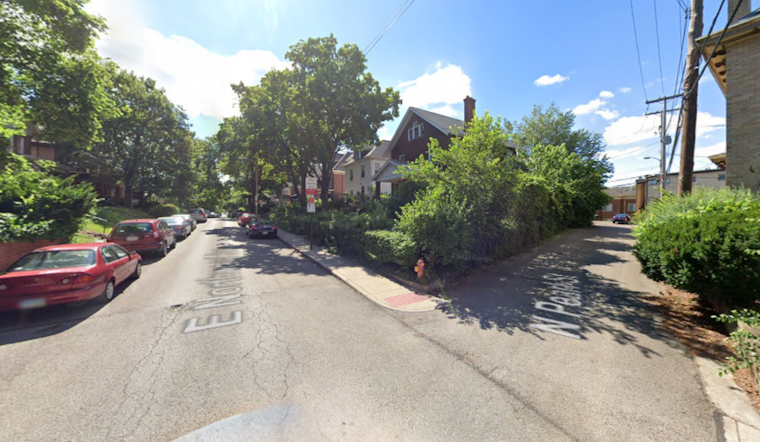
As the years march on and the streets of the University District in Columbus, Ohio, see new students briskly coming and going each semester, a sad shadow persists, a cold case without closure. It's been nearly eight years since the night Tarak Underiner, a 20-year-old Ohio State student, was found with multiple gunshot wounds in an off-campus residence. With the killer still at large, authorities are continuing to appeal to the public for any information that might break the case wide open.
On that fateful January night in 2017, it was the sounds of gunfire that shattered the silence near the intersection of East Northwood Avenue and North Pearl Street, telling of a tragedy that waited just moments to be discovered. Found in a house located just north of the Ohio State campus, Underiner was pronounced dead, marking a sudden and violent end to a life described by those who knew him as brimming with potential. Despite ongoing investigations, Central Ohio Crime Stoppers confirms the absence of emerging leads, leaving friends, family, and the community to grapple with unresolved grief and unanswered questions. With few leads forthcoming, the case has languished, haunted by the specter of justice deferred.
Fresh eyes and a refusal to let this case fade into the annals of forgotten crimes have led the Columbus Police to issue repeated calls for tips that might provide new angles to explore, hopeful that someone out there still holds the key piece of evidence. As NBC4i reported, officers arrived at the scene at 12:30 a.m. on January 5, 2017, a mere ten minutes before Underiner's death was officially confirmed. Even with this prompt response, the assailant managed to evade capture and has continued to do so ever since.
Authorities insist that even the smallest information could be significant, urging anyone with any knowledge to come forward. To keep the memory and significance of the case alive, local media outlets echo the undying hope that this story will not end here and that the conclusion is not written in the sorrow of endless questioning. Similarly, WKBN echoes the sentiments of a community refusing to give up. The proximity of this case to the heart of the Ohio State community serves as a chilling reminder of the vulnerability all must face when the specter of violence lingers, unsolved, at their doorstep.
Taking stock of these facts, we are thrust into a cycle of reflection on the nature of crime, memory, and our society's relentless pursuit of justice. For now, the story of Tarak Underiner remains an open book, with a chapter that yearns for an ending that brings solace to those left in the wake of his untimely and violent departure.




