

























































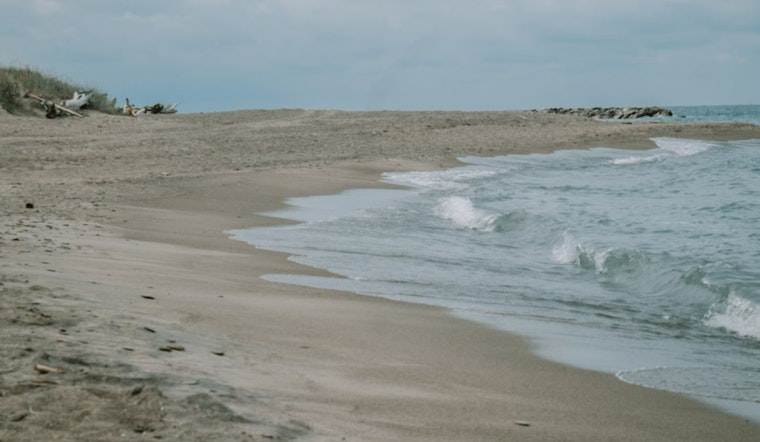
The Texas coast has become a point of concern for those wary of the bacteria lurking in the water. According to KSAT, Texas Beach Watch, operated by the Texas General Land Office, diligently monitors levels of fecal bacteria through a regimen of water sampling across beaches all along the state's Coastal Zone, raising flags when those levels exceed safe limits set forth by the Environmental Protection Agency.
A recent death due to Vibrio, a flesh-eating variety, entering the spotlight after a man from Pearland succumbed to the infection after a fishing trip in Freeport, KHOU 11 reported—this sort of tragic incident exposes the sharp edge of natural risks associated with coastal recreation, informed by experts who have noted that if you've been in saltwater, chances are you've crossed paths with Vibrio.
While the common culprits behind fecal contamination have been identified as seabirds and dogs, with humans a distant third, according to Texas General Land Office's Jason Pinchback, the problem is compounded by wastewater treatment and septic system malfunctions in the near-coastal region.
The Harte Research Institute for Gulf of Mexico Studies underscores the gravity of these concerns by suggesting preventative measures, such as avoiding salt water if you have open wounds and treating any injuries immediately after saltwater exposure with antibacterial cleansers. The institute shared guidance on its Facebook page following the incident and emphasized a swift response can be critical, with symptoms of a Vibrio infection capable of becoming severe in 24 hours, as reported by MySA.
The public health implications are noteworthy, with gastrointestinal illnesses being a common byproduct of ingesting contaminated waters, said Dr. Jason Bowling of University Health in an interview with KSAT, offering straightforward advice for beach visitors to wash hands before eating and protect any wounds—while experts from the Harte Research Institute prescribe immediate medical attention should pain, swelling, or fever develop after water exposure.





