

























































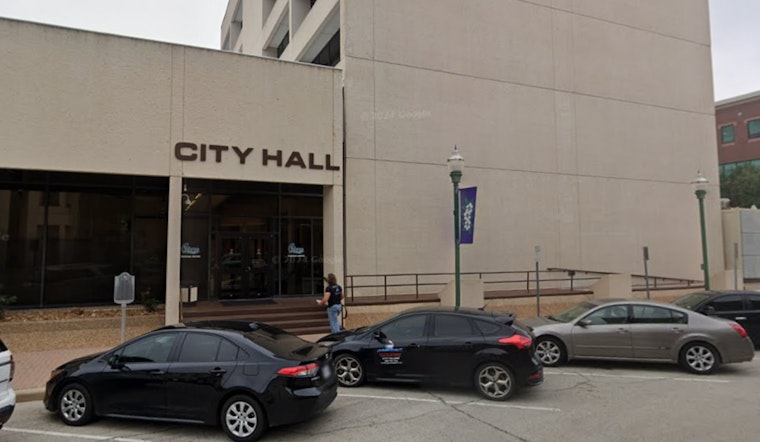
As growth in Conroe, Texas rapidly outpaces its water infrastructure, the city is considering a drastic step to ensure resources meet demand. Conroe City Council will debate a temporary halt to new developments at their upcoming workshops and meetings. This moratorium will stand until new water wells are built, addressing the critical need for water provision to the city's burgeoning population, which has surged to 108,248 as of July 2023, according to the U.S. Census Bureau.
The water infrastructure dilemma came to light following a May incident that forced the city to issue a boil water notice. The shortfall is linked to a budget shortfall where, as Norm McGuire, assistant city administrator and director of public works, said, the council has not allocated the necessary funds for capital improvements to keep pace with growth. McGuire bluntly suggested quickly allocating funds, noting, "Over the last five years, if I was afforded that money, we wouldn’t be having this conversation," in a May council meeting, according to the Houston Chronicle.
While grappling with the existing city-owned Hyatt Regency Hotel and Convention Center debt payments looming into 2050, Conroe's leadership, like Assistant City Administrator and Director of Finance Collin Boothe, are aware of the critical nature of financial decisions ahead. "There are different avenues, and we are going to have to be creative,” Boothe indicated, as detailed by Houston Chronicle.
In a similar bid to ensure water provision keeps up with development, the city of Magnolia is extending its development moratorium while building its water well arsenal, now totaling five with plans to construct four more. “We have a pretty good plan laid out,” stated city engineer Tim Robertson, aiming to add quickly build two wells annually to support an expected demand for 11,000 connections within the next five years, as reported by Community Impact. Developers aren't idly waiting, though—some, like the Audubon master-planned community, are constructing their wells to ensure their projects endure.
Magnolia's effort to increase water capacity involves the strategic use of impact fees and reserves from selling certificates of obligation. Mayor Todd Kana pointed out the purpose of impact fees, stating, "That's what impact fees are there for, is to cover the future expansion." Likewise, developers like Sam Yager III, taking initiatives to secure their investments, are making decisive maneuvers. Yager's Audubon completed a well last July, with an associated water plant soon to follow. “We just want to make sure that there’s nothing that would impede our ability to deliver additional lots to our builders or the ability of any of the other users in the project—the commercial users or the multifamily users—to continue with their development,” Yager conveyed to Community Impact.




