

























































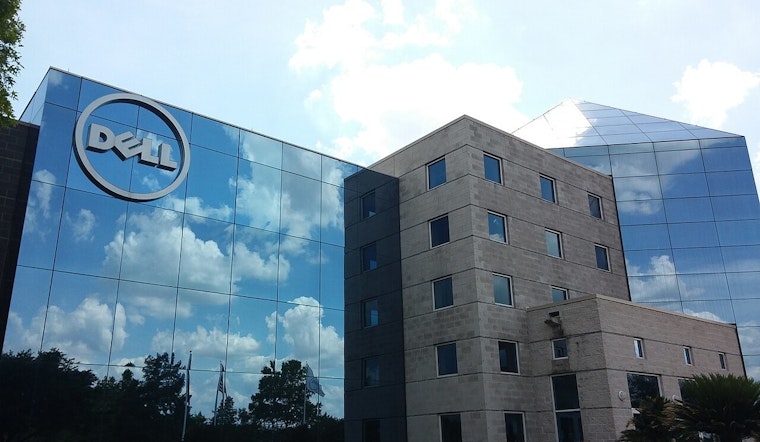
Dell Technologies headquartered in Round Rock, Texas, has confirmed forthcoming layoffs within the company, although a specific number of impacted jobs remained unspecified; a spokesperson remarked, "We are combining teams and prioritizing where we invest across the company," indicating a strategic shift rather than purely a cost-cutting measure KVUE reported.
The pivot towards artificial intelligence was highlighted in an internal memo that stated Dell's intent to simplify its "layers of management" and launch "a new group focused on artificial intelligence products and services," lamentably, such restructuring often translates to job cuts which is a reality that Dell has not managed to elude, following a Bloomberg report on the same memo, investments in Dell had surged earlier this year, this likely fueled by the industry's growing interest in artificial intelligence capabilities and the firm's robust servers equipped to support demanding AI operations.
The Austin American-Statesman's account adds that some Dell employees from the Austin area have begun verifying the layoffs through social media platforms, with some prognostications about the worldwide job losses potentially reaching up to 10,000, a figure that, however, stands unverified by Dell officials.
Layoffs in the tech industry, particularly in Austin, are not isolated incidents; this year, major players like Google, Unity, VMware, and Expedia have already announced significant workforce reductions, while Tesla, another formidable tech presence in Austin, has also substantially downsized its employee base, with CEO Elon Musk expressing a similar narrative to that of Dell, emphasizing that Tesla's layoffs are part of a broader transition with a focus on intensifying its pursuits in AI innovation.
As this corporate recalibration unfolds, the broader tech landscape continues to grapple with the actual and perceived viability of AI as a profitable venture, despite the ongoing debate, companies like Meta, Tesla, and now Dell seem unwavering in their conviction that AI not only represents the future but also offers a promise of considerable returns, once its potential is fully harnessed. Against this backdrop of transition and uncertainty, the narratives of rightsizing and innovative redirection from companies like Dell carry with them tangible consequences for the workforce and local communities alike.





