

























































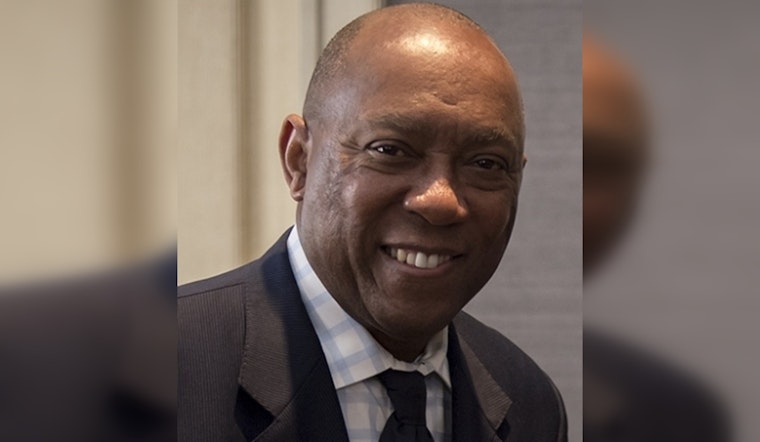
The race to fill the late U.S. Rep. Sheila Jackson Lee's seat has drawn a mixture of Houston political veterans and fresh faces, with former Houston Mayor Sylvester Turner emerging as a prominent contender, despite calls from opponents for new leadership to reflect the district's evolving demographics.
According to Houston Chronicle, the 18th Congressional District has experienced significant demographic changes, shifting from its traditional black majority to a more diverse mosaic, with no ethnic group now holding a majority; this diversifying constituency is pushing candidates to bridge old and new Houston, Turner, aged 69, has campaigned based on his substantial experience and existing relationships, earning him the endorsement of Jackson Lee's family, but there is a young cohort ready to lead according to some experts and challengers like Amanda Edwards and Christina Morales.
During the recent debate spotlighted by the Texas Tribune, the candidates expressed shared progressive goals yet differed mainly on the issue of longevity in office, where Turner sees himself as a transitional figure promising to serve no more than two terms, and other candidates like Edwards and Morales emphasize the importance of building seniority in Congress for the district's benefit, Morales has stated future service of at least 10 years articulating seniority's value while Slater struck a contrasting tone highlighting his status as an outsider and taking aim at incumbents for the persisting issues in the district.
The vote to replace Jackson Lee falls to the district's Democratic precinct chairs, bypassing a broader electorate, giving those with deep-seated party ties like Turner an advantage, as underscored by Sims, a political consultant, and lecturer at the University of Houston; however, state Rep. Jarvis Johnson, who has roots in the overlapping state district, maintains a faith in the voter's desire for committed leadership, advocating for increased voter turnout in the heavily Democratic base as his priority, Turner meanwhile, in defiance of health concerns and emphasizing his cancer recovery as a motivation, argued for a destigmatization of the disease asserting his readiness to serve.




_(cropped).jpg)