

























































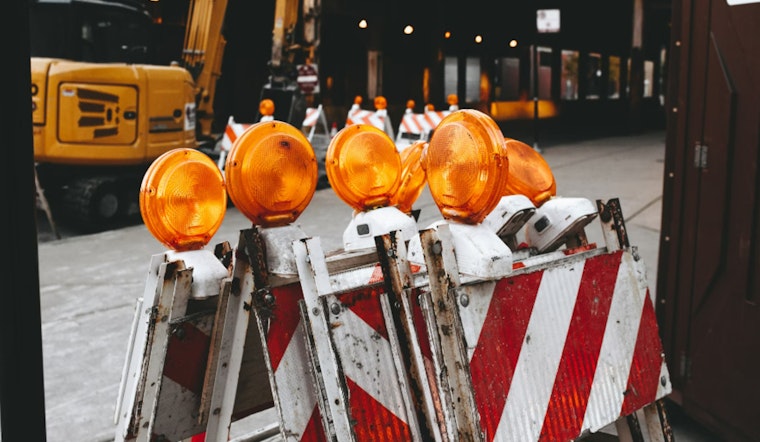
The landscape of Houston's highways is poised for a seismic shift over the next decade, as the Texas Department of Transportation (TxDOT) embarks on a large-scale plan to update and improve the city's roadway infrastructure. According to Houston Public Media, construction expected to start in 2024 which will last potentially until 2042, is bound to shape the city's commuter experience for the next two decades, with effects rippling through the daily life of thousands.
These efforts compound on the Texas Transportation Commission's approval of the state’s 10-year unified transportation program, setting a record with $104.17 billion dedicated to maintenance and construction along Texas roads, as reported by the Houston Chronicle.
While officials beam with pride at Texas's sprawling roadwork plans, there are concerns over the sprawling construction costs that have increased sharply over the past two years, stated transportation commissioner Alvin New. “We are making great things happen ... I also like to manage expectations slightly, because when we see this, we are going to be running a flat budget is a way of looking at it," he said. In response to these ambitious plans, Houston residents have voiced minimal opposition, a stark contrast to previous years when projects like the I-45 rebuild were met with heated contention. The Houston Chronicle noted a relative whisper—only nine of 1,061 location-specific comments from the Houston area during the month-long plan approval process.
Despite promises of a transformed highway system replete with green space, sidewalks, and bicycle paths, and a pledge of $30 million to assist those displaced by construction, the I-45 project has its share of detractors, with concerns lingering over its impact on low-income communities and the potential for heightened flooding risks and air pollution. Yet these unsettling prospects, highlighted by Houston Public Media, remain tangled within the broader narrative of progress.
As the project moves incrementally from phase to phase, including the construction of 11 detention ponds to protect the flood-prone Independence Heights and the erecting of high-comfort bike lanes, it highlights the balance between development and disruption.





