

























































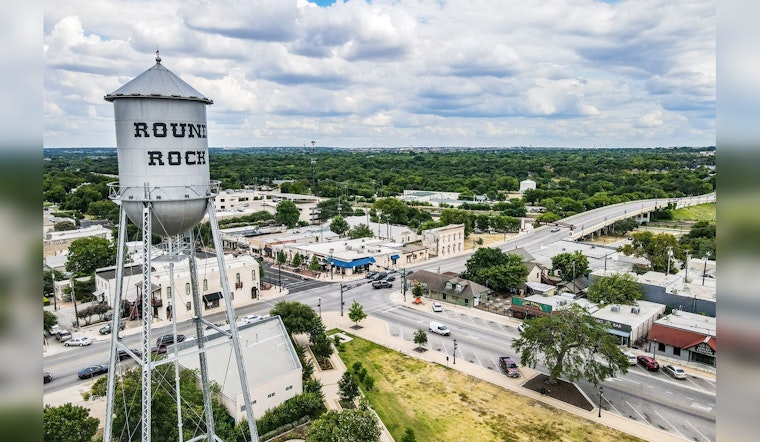
In an economic showdown that may have flown under the radar, Round Rock has muscled its way into the limelight, scooping the No. 15 spot among cities primed for economic growth. The City of Round Rock, with a populace shy of 250,000, garnered this position as per a comprehensive analysis by CoworkingCafe, which has quantified variables such as job creation, business enlargement, and general economic vitality to score points for this accolade.
It isn't just a stroke of luck; Round Rock's multi-faceted thrust toward economic prosperity is evident in its robust job market, which has seen consistent growth across various sectors. The locale's embrace of businesses through a supportive environment has engineered, an entrepreneurial nexus that's thriving more than ever. Investments haven't been solely monetary, the city has plunged resources into infrastructure, thus bolstering connectivity and accessibility, elements that are critical for any enterprising city aiming for growth.
As reported by the city, Round Rock's rise isn't just a blip on the economic radar. Their 46% GDP growth catapults them to the second-highest increase in this metric. Housing units, too, have surged by 16% from 2018 through 2022, positioning them comfortably at sixth place. The city's infrastructure improvements don't lag, having grown by 12% to span an impressive 6,978 miles in 2022.
Rounding out their impressive suite of accolades, Round Rock has seen median earnings ascend by a hefty 30%, a spike that represents the 15th largest increase when held up against their similarly-populated counterparts. This information seems to underscore a narrative of steady ascent rather than a sudden surge, suggesting a deeply rooted foundation for economic success rather than ephemeral spikes. CoworkingCafe's rankings hinge on a rigorous selection of data points that map out the economic trajectory of cities concerning population growth, GDP, and trade activity, among other vital socioeconomic markers.
The full scope of the methodology, which is accessible online, paints a broader picture of how these ranks were determined. It assures interested parties that scores are reflective of each city's performance set against peers in the same population bracket — a necessary measure to keep the comparisons squarely within the bounds of objectivity.





