

























































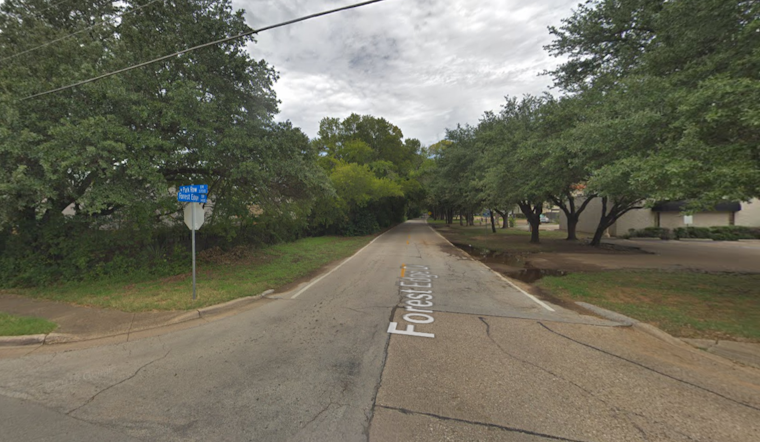
The City of Arlington has taken a proactive stance against the spread of West Nile Virus (WNV) following the identification of two positive mosquito samples carrying the virus. To mitigate the risk, the City is set to embark on targeted ground spraying operations, as reported by the City of Arlington. The spraying will take place on September 17 and 18, specifically at Forest Edge Drive at Park Row Drive and South Cooper Street at West Lovers Lane, between 9 p.m. and 5 a.m., conditions allowing.
The initiative aligns with recommendations from the City of Arlington Health Authority, Tarrant County Public Health, and the Centers for Disease Control and Prevention's guidelines which all dictate that spraying be concentrated in locales with a verified presence of the virus. Contractors are tasked with executing two successive nights of ground spraying aiming at rapidly reducing the numbers of the infected adult mosquito population.
As a measure to address mosquito breeding areas, the City has been placing larvicides in strategic locales since the onset of mosquito season, while simultaneously organizing crews to inspect and eliminate places of standing water; nonetheless, areas such as Forest Edge Drive and South Cooper Street have presented continued challenges thereby necessitating the deployment of ground spraying.
Community members can play their part in mitigating mosquito prevalence by following simple preventive tips; these include wearing protective clothing like long sleeves and pants, using repellents containing DEET, and eliminating standing water in one's vicinity to thwart potential breeding grounds according to the City's advisements, particularly old tires, flowerpots, clogged rain gutters, and similar receptacles where water may remain stagnant for over three days.
Concerns regarding exposure to pesticide sprays are minimal, as the City assures that the permethrin-based product used will have an insignificant residual impact after application. However, individuals with chemical sensitivities or respiratory conditions such as asthma might consider staying indoors during spraying hours to minimize exposure risks.




