

























































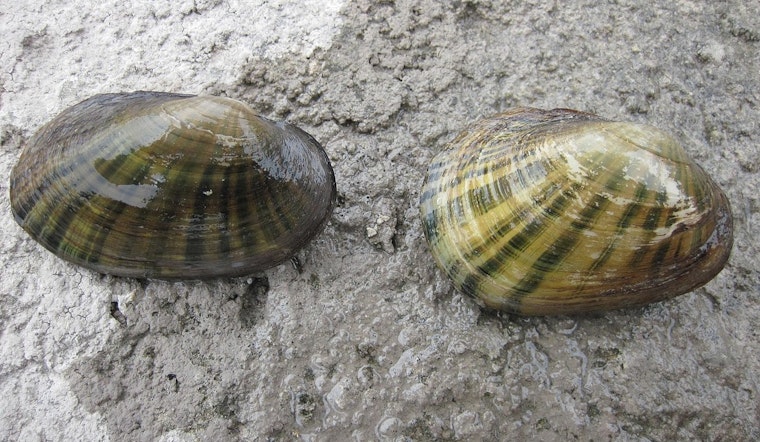
The struggle to conserve Austin's freshwater mussel population gains traction, with particular attention paid to the Texas fatmucket mussel, a natural water purifier of significant ecological value. The Austin Monitor reports that environmental officials recently highlighted the Texas fatmucket's vital role in water filtration, where a single mussel can filter between 8 to 15 gallons of water per day, removing bacteria, algae, residue, and sediment, thereby enhancing water quality.
At a meeting held on September 18, Matt Johnson, who coordinates Texas freshwater mussel conservation efforts for the U.S. Fish & Wildlife Service, emphasized the mussels’ importance in local ecosystems. “A single freshwater mussel can filter anywhere between 8 to 15 gallons of water a day. When they are filtering, they’re pulling out bacteria, pulling out algae, detritus, sediment, purifying the water … and preventing stream compaction,” Johnson told the Austin Monitor. These efforts contribute to water clarity and serve as an unpaid service to humans, potentially worth millions.
The species draws special concern due to its unique geographical location. As Johnson explains, losing the Texas fatmucket would mean they cannot replaced by populations from other areas. The adverse effects on the ecosystem by invasive species like the zebra mussel highlight the importance of conserving indigenous species like the Texas fatmucket.
Protective measures for these mussels have been in the works for nearly two decades, with significant advancements in recent years. The U.S. Fish and Wildlife Service proposed endangered and threatened statuses for various mussel species in 2021, including the Texas fatmucket. Critical habitats have been designated to support these species, addressing essential physical and biological features required throughout their lifecycle.
Part of this initiative is the designation of Onion Creek as a crucial habitat for the species, with a 23.5-mile stretch identified as necessary for their survival. An Onion Creek working group might soon be established, aiming to bolster USFWS’s ongoing efforts to protect the mussel population and ensure the filtration services these creatures provide continue to benefit the region’s waters.





