

























































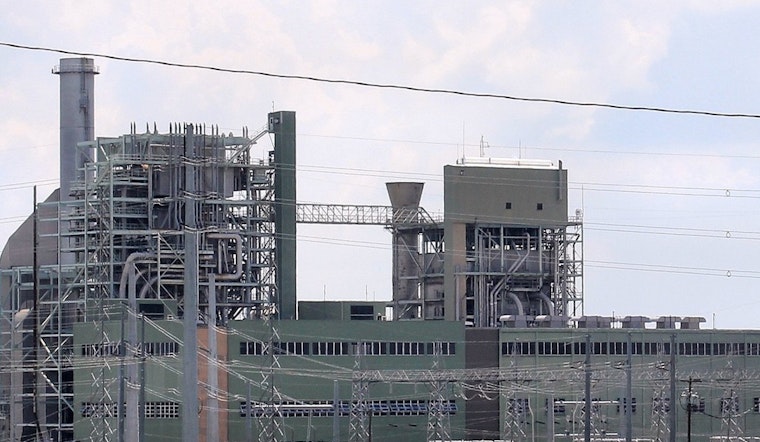
Austin Energy, grappling with the future of power generation in one of Texas' rapidly growing metropolises, is working to align a new generation plan with community priorities. Amidst escalating demands for reliable electric service, the utility is evaluating 17 potential portfolios that aim to address the objectives of the City Council and the public interest. According to a statement obtained by Austin Monitor, Lisa Martin, Chief Operating Officer at Austin Energy, disclosed that a vote is expected on the plan by year's end.
In fact, Consultant Dr. Michael Webber highlighted to city officials the need to gear up for a spike in electricity demand driven by new data centers. In efforts to brace for a massive demand uptick, Webber suggested, "the utility should expedite deployment of a variety of options." This includes considering the construction of thermal power plants, such as hydrogen or gas turbines, despite some local environmentalists' concerns about the prospect of new natural gas plants. With the University of Texas poised to commission a significant data center requiring 30 megawatts of power, urgency in assessing power generation options is on the rise. These considerations are reflective of Webber's argument that even natural gas power plants have a role in a transitional energy landscape, given their potential to support electric vehicles, which could reduce air pollution compared to gasoline-powered vehicles.
In the interim, households serviced by Austin Energy can expect some financial respite. The utility has announced a 5% decrease in the Power Supply Adjustment (PSA) rate, starting October 1. The reduction is attributable to a fully recovered PSA balance and a summer with power costs lower than in previous years. "Residential customers can expect a $2 monthly decrease,” stated a memo reported by KXAN. This development counters the trend from last year, which saw rates climbing due to consecutive PSA increases.
Austin Energy's Director of Finance, Stephanie Koudelka, outlined the financial health of the utility to the Council, indicating a 3 percent revenue shortfall against the budget, at $1.2 billion for the third quarter. Despite expenses outpacing revenues by 4 percent, or $45 million, the utility is forecasting the gap to narrow by the fiscal year-end on October 31st. The planned PSA rate cut aligns with Austin Energy's trajectory towards improving financial stability and consequently, delivering cost savings to customers.





