

























































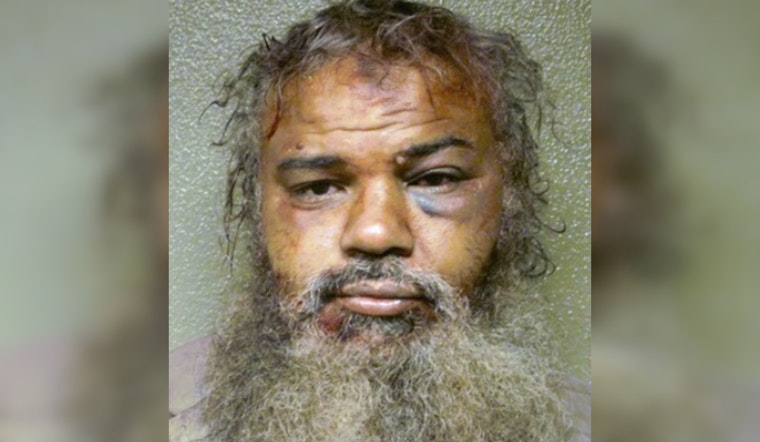
Ahmed Abu Khatallah, known as Ahmed Mukatallah, was handed a new 28-year prison sentence, for his involvement in the 2012 terrorist attack on the U.S. mission in Benghazi, Libya. This attack tragically ended the lives of U.S. Ambassador J. Christopher Stevens and three other Americans. Announced by Assistant Attorney General for National Security Matthew G. Olsen and other federal officials, this resentencing comes after an appeal and a government cross-appeal regarding the original 22-year sentence.
Apprehended in Libya on June 15, 2014, Khatallah was later brought to the United States, to face his charges in the U.S. District Court for the District of Columbia. On July 26, 2022, while the D.C. Circuit affirmed Khatallah's conviction, it rebuked the initial sentencing, as being "substantively unreasonably low in light of the gravity of his crimes of terrorism," as reported by the U.S. Attorney's Office.
During the trial, evidence indicated that Khatallah led the extremist militia, Ubaydah bin Jarrah, in the attack. The group mobilized by stockpiling weapons well before the night of the attack. As the insurgents barraged the U.S. Special Mission on the evening of Sept. 11, 2012, Ambassador Stevens and Sean Smith were tragically suffocated by smoke after their temporary shelter was torched. Later, in the CIA Annex nearby, the continued violence claimed the lives of Tyrone Woods and Glen Doherty due to a precision mortar attack.
Throughout the horrifying events, Khatallah was said to maintain contact with his militant group through various cellphone calls, and he allegedly stayed on the perimeter, hindering any assistance, including emergency responders' attempts to reach the scene. In his directive role, Khatallah also warned other militia leaders not to interfere with the ongoing assault, creating a critical blockage of potential assistance.
The complex investigation of this case was led by the FBI's New York Field Office's Joint Terrorism Task Force, with assistance from the CIA, the State Department, and multiple other agencies. The latest court procedures were handled by Assistant U.S. Attorney John Crabb, Jr., Special Assistant U.S. Attorney Michael C. DiLorenzo, with help from Trial Attorney Joseph Kaster of the National Security Division's Counterterrorism Section and Victim/Witness Advocate Yvonne Bryant of the U.S. Attorney’s Office for the District of Columbia.




.jpg)