

























































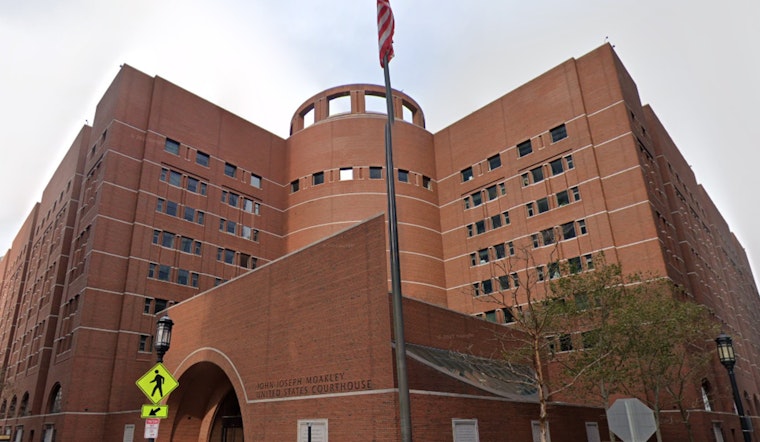
In a federal courtroom in Boston, securities trader Xiaosong Wang, aged 36, from Upton, Massachusetts, entered a guilty plea acknowledging his participation in a longstanding market manipulation scheme. The conspiracy, unfolding over several years, targeted U.S. exchanges such as the New York Stock Exchange and NASDAQ. According to the announcement by the U.S Attorney's Office, Wang's sentencing is set for December 17, 2024, after pleading guilty to a sole count of conspiracy to commit securities fraud.
Having originally been charged in October 2019, Wang has agreed, as part of a plea deal, to forfeit over $1 million in ill-gotten profits and will be removed to China after his sentence is served. Along with cohorts, inclusive of Jiali Wang, he manipulated prices of select stocks by placing deceptive orders to feign supply or demand shifts, thereby artificially depressing or inflating stock values. These strategies, designed to influence the market falsely, enabled them to profit from subsequent large trades that capitalized on the manipulated prices.
Jiali Wang entered a guilty plea last August, receiving a sentence of time served, nine months of house arrest, and a nearly $8 million forfeiture of illicit proceeds. Xiaosong Wang, apprehended through an initiative involving federal prosecutors and the FBI’s Boston Division under Special Agent in Charge Jodi Cohen, faces up to 25 years in prison. Assistant U.S. Attorney James R. Drabick of the Securities, Financial & Cyber Fraud Unit led the prosecution, with key assistance from the Securities and Exchange Commission.
The implications of Wang's guilty plea resonate beyond individual punishment; they underscore a vigilant stance against financial crimes. While conspiracy to commit securities fraud could yield a quarter-century of imprisonment, a $250,000 fine, or double the amount of the fraud's gross gain or loss, actual sentences rest in the hands of federal district judges. They are guided by the U.S. Sentencing Guidelines and criminal statutes, as reported by federal authorities, who base decisions on the rigors of the law on these complex financial wrongdoings.





