

























































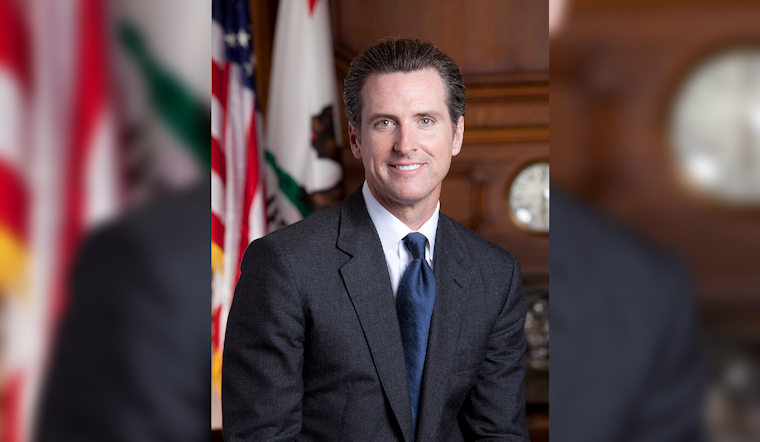
In a move aimed squarely at the intersection of technology and child welfare, California Governor Gavin Newsom inked new legislation on Friday, making it illegal for social media giants to provide addictive content to minors without parental consent, provided by ABC News.
The law, which is set to take effect in 2027, positions California as a forerunner in the fight to safeguard children from the potentially deleterious effects of social media. "Every parent knows the harm social media addiction can inflict on their children," Newsom said in a statement obtained by ABC News.
Continuing California's legislative saga is SB 976, a bill authored by Senator Nancy Skinner of Berkeley and signed by Newsom, focused on keeping online platforms in check, particularly around content directed at minors. Details provided by the Governor's office reveal the bill's provisions, which include prohibiting addictive feeds without parental consent and defaulting minor accounts to private settings.
Despite its intent, the legislation has faced its share of criticism, with opponents citing potential overreach and privacy concerns. The need for platforms to possibly collect more information on users to verify age has raised red flags about online privacy. The law defines an "addictive feed" in a manner that engenders a certain stringency towards the operations of social media companies. "Social media companies have designed their platforms to addict users, especially our kids," Senator Skinner told ABC News.
The legislation emerges amidst a broader national conversation on the impact of social media on youth, punctuated by a June call to action by U.S. Surgeon General Vivek Murthy for Congress to mandate warning labels on these platforms. This dialogue has been further amplified by the endorsement of such measures by attorneys general in 42 states.





