

























































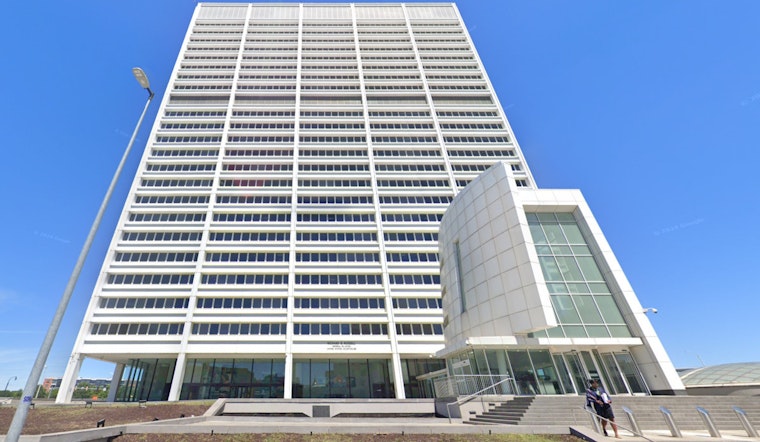
A Chinese national, identified as Song Wu, has been indicted on charges of wire fraud and aggravated identity theft linked to an alleged attempt to illegally obtain computer software and source code from NASA, as well as from various research universities and private aerospace companies. U.S. Attorney Ryan K. Buchanan was stark in his assessment of the implications, stating, "Efforts to obtain our nation’s valuable research software pose a grave threat to our national security," according to a release by the U.S. Attorney's Office for the Northern District of Georgia.
The scheme purportedly involved a spear phishing email campaign over multiple years, where Song Wu is accused to have created email accounts to impersonate U.S.-based researchers and engineers. The emails were designed to trick recipients, including employees at NASA and branches of the U.S. military, into sending the fraudster proprietary software and source code. Special Agent in Charge of FBI Atlanta, Keri Farley, emphasized the continued efforts to uncover and prosecute cyber criminals, ensuring that "cyber criminals around the world who are seeking to steal our companies’ most sensitive and valuable information can and will be exposed and held accountable," as per the same release.
Song's employment with the Aviation Industry Corporation of China (AVIC), a massive state-owned aerospace and defense company, further compounds concerns over the potential damages of such an espionage campaign. If convicted of wire fraud, Song faces up to 20 years in prison for each count, with an additional mandatory two-year sentence if found guilty of aggravated identity theft. While the indictment spells out serious allegations, it is also noted that these are charges and not convictions, with the onus falling on the government to prove guilt beyond a reasonable doubt at trial.
The FBI and the NASA – Office of Inspector General are the primary agencies investigating the case, which is being prosecuted by Assistant U.S. Attorney Samir Kaushal, along with Trial Attorney Tanner Kroeger of the National Security Cyber Section, and supported by the Counterintelligence and Export Control Section. The collaboration underscores an interagency resolve to not only bring the accused to justice but to also safeguard critical technological assets from falling into the hands of what is described as "authoritarian regimes and hostile nation-states." The case is part of a broader effort by the Disruptive Technology Strike Force to aggressively protect U.S. technology and export controls from illicit actors around the globe, as detailed in the joint statement obtained by the U.S. Attorney's Office for the Northern District of Georgia.





