

























































The fire that engulfed a Deer Park pipeline for more than 80 hours has been extinguished, signaling an end to the immediate danger that forced residents from their homes and prompted air quality concerns. The blaze, which was sparked on Monday when an SUV collided with an above-ground valve, led to a vehicle explosion and the tragic death of the driver. By Thursday evening, Energy Transfer, the pipeline's owner, had managed to squelch the flames, as reported by KHOU 11.
As clean-up efforts proceed, the surrounding community grapples with the repercussions of the event. Officials are conducting a criminal investigation to uncover the identity of the individual whose remains were found at the scene, as stated in a report by KHOU 11. Nearby residents, after being displaced by the fire, have started to return home, faced with uncertainties about how to address property and vehicle damages.
In the aftermath of the disaster, air quality becomes a concern. A report filed by Energy Transfer with the Texas Commission on Environmental Quality details the release of hundreds of thousands of pounds of chemical contaminants from the pipeline into the atmosphere in the initial 10 hours of the fire. Dr. Inyang Uwak, associated with Air Alliance Houston, expressed concern over pollutants such as nitrous oxide and volatile organic compounds (VOCs), though she also mentioned requiring more data to fully assess the situation. According to KHOU 11, Harris County Pollution Control Services has not registered any alarming readings thus far.
While the recent fire raises significant alarm, it is part of a larger context. The Houston area is laced with an extensive network of pipelines carrying hazardous materials, placing neighboring communities at risk, especially in the event of unexpected incidents. Paige Powell, the senior policy manager of Commission Shift, remarked to the Houston Chronicle about the "sleeping threat" posed by these pipelines, noting the particular vulnerability of petrochemical-heavy neighborhoods. While the actual pipelines remain mostly out of sight, the danger, as the recent events have shown, is all too real.
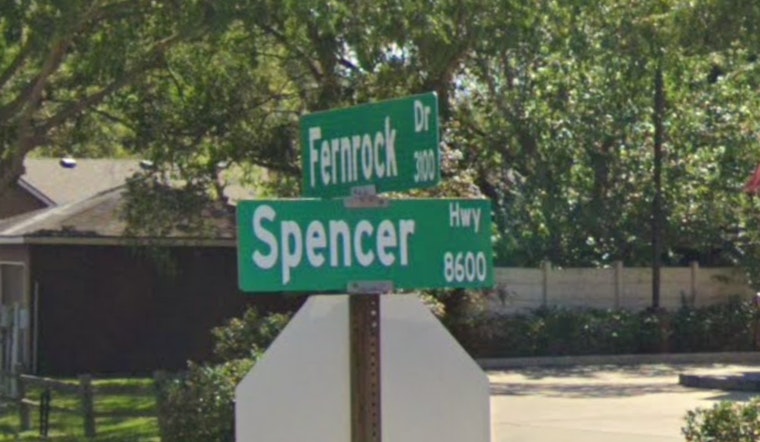
Amid recovery, lanes of the Spencer Highway near the site of the fire have reopened, and repair crews are working on the damaged pipeline, signaling a step toward normalcy in the community. Energy companies continue to emphasize the efficiency and safety of pipelines for transporting natural gas and petroleum products, despite incidents such as the Deer Park fire, which reflects ongoing concerns about such infrastructures. As Texas leads the nation with the most pipeline infrastructure, the balance between energy demands, safety regulations, and environmental stewardship becomes increasingly intricate.



