

























































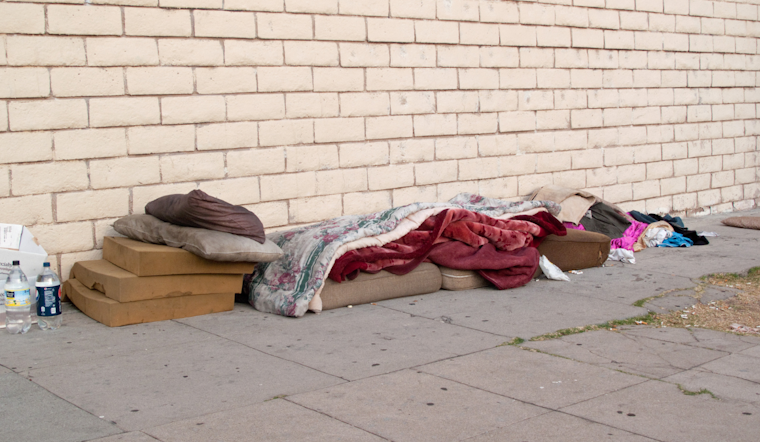
On the eve of new legislation taking effect in Florida that will criminalize sleeping on public property, concerns are mounting over the potential impacts this may have on the homeless population across the state. Including in key cities such as Orlando where, according to ClickOrlando, arrests of homeless individuals for minor violations have spiked significantly since last October when the town began dismantling homeless camps, with citations for public camping up 375%, panhandling up 200%, and public urination up 175% when comparing year over year data from October 2022 and 2023.
HB 1365, which officially takes effect on October 1st, places hard restrictions on where homeless people can set up for the night; "Florida has chosen to reject comfortable inaction and tackle this problem head on," House bill sponsor Sam Garrison was quoted saying after the U.S. Supreme Court upheld the constitutionality of a similar Oregon city ordinance earlier in the year, AroundOsceola reports. Amid the tightening noose of measures, Orlando Police Chief Eric Smith insists the Homeless Intervention Unit's "very last resort" is arrest, with the force making a mere 1.78% arrests of the more than 18,000 contacts they've had with the community this year.
The new state law allows local governments to designate areas for homeless individuals to sleep. Still, starting January 1, residents and business owners can sue if sleeping or camping is permitted on public property. This has prompted communities like Miami-Dade County and Jacksonville to find alternative solutions, such as "tiny houses" and expanded outreach programs, to comply and avoid imprisoning those in need.
As detailed by AroundOsceola, Among 34 new laws, including "Margaritaville" license plates and increased penalties for retail theft and fentanyl possession, local leaders like Fort Lauderdale Mayor Dean Trantalis and Jacksonville Mayor Donna Deegan struggle to adapt and enforce the new requirements. Mayor Deegan highlighted the difficulty of finding alternative sites for displaced people so they can "become viable members of our society," reflecting the challenge of balancing law enforcement with compassion.





