

























































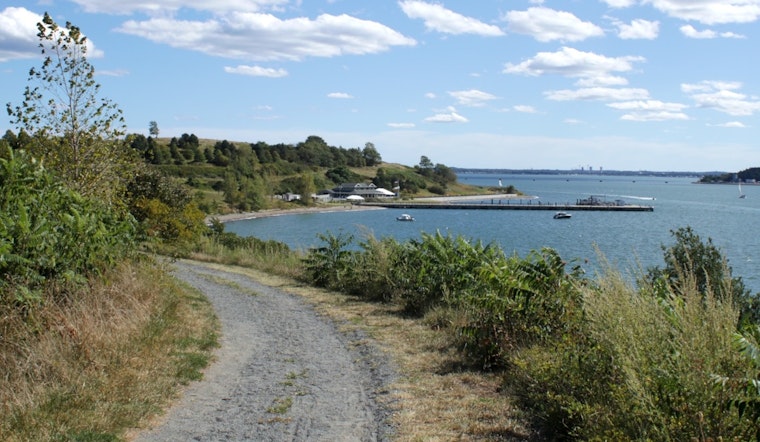
In a sweeping environmental effort, a coalition of federal, state, and non-governmental organizations has embarked on a significant cleanup mission tackling the detritus littering the Boston Harbor Islands. A sizable undertaking, the project spans five islands — Great Brewster, Middle Brewster, Outer Brewster, Calf, and Lovells — with the primary goal being the restoration of their ecological health and the enhancement of their recreational spaces.
According to a release from the Massachusetts Department of Conservation and Recreation (DCR), the project received a cooperative nudge from agencies including the Center for Coastal Studies (CCS), the U.S. Fish and Wildlife Service (USFWS), the National Park Service (NPS), and Boston Harbor Now (BHN). Together, these entities have committed to removing debris to aid in the recovery of the islands’ natural beauty and texture, with a focus on rehabilitating coastal bird nesting areas. The collected refuse is slated for responsible disposal, balancing the need for cleanliness with ecological sensibility.
Funding for the cleanup is varied, with $2.7 million coming from a National Oceanic and Atmospheric Administration (NOAA) Marine Debris Grant, buttressed by the Inflation Reduction Act. The DCR has also chipped in an additional $150,000 sourced from the American Rescue Plan Act and a further $35,000 from its operational coffers for commercial vessels and equipment for hauling away industrial debris, Brian Arrigo, DCR Commissioner, told Mass.gov. The USFWS brings an $80,000 contribution from their Natural Resource Damage Assessment and Restoration program, which stems from restitution funds linked to the Bouchard B-120 oil spill.
Volunteers will be crucial to this ambitious operation. From September 13 to September 22, an estimated 50 to 70 individuals from CCS's "Beach Brigade" will camp on Peddocks Island, serving as the operation’s base. The NPS has also expressed its commitment to the cause. "The National Parks Service is dedicated to preserving the unique landscapes and ecosystems of our national treasures," said Michael Creasey, Superintendent of National Parks of Boston, as per Mass.gov. Coordination for day-long cleanups with additional volunteers will be managed by BHN, CCS, and DCR during and after the core cleanup period.
Among the assorted rubbish, teams will target a variety of marine debris, including dock timbers, lobster traps, plastic waste, and other ocean-borne refuse. Plans are in place to creatively reuse some materials, directing them to artists, builders, and researchers rather than landfills. These cleanups are crucial for wildlife conservation. As USFWS Northeast Regional Director Wendi Weber noted, "Marine debris pose a significant threat to wildlife, including seabirds and shorebirds," as mentioned by Mass.gov. For those interested in participating, details are available on the Boston Harbor Cleanup website.





