

























































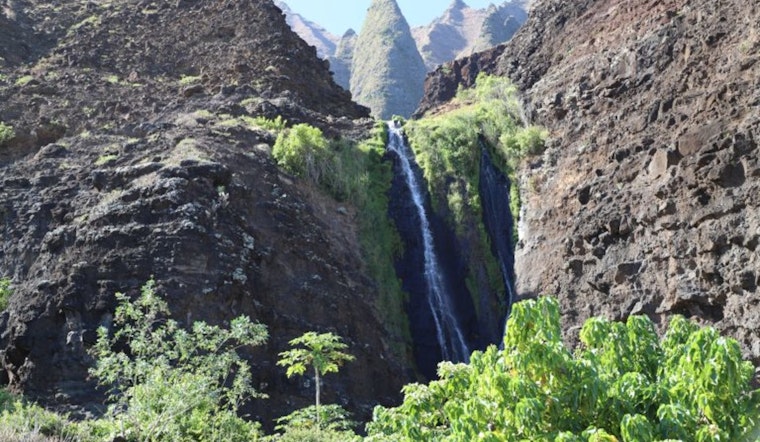
The Kalalau Trail in Hawai‘i's Nāpali Coast State Wilderness Park is still closed after a norovirus outbreak that sickened about 50 visitors. State officials have extended the closure beyond the original reopening date. However, part of the trail up to Hanakāpīʻai will reopen for day use starting September 21, reopening to be announced later.
According to the Hawaii Department of Land and Natural Resources (DLNR), there has been a cease in newly reported cases since September 4. Still, the Hawaii Department of Health (DOH) remains on high alert, continuing to monitor and track any signs of the virus popping up in emergency room visits or through healthcare provider reports. In the efforts to stamp out this health hiccup, the DLNR isn't taking any half-measures. It's executed multiple deep-clean operations along the trail and at Kē‘ē Beach trailhead facilities, aiming to scrub the area clear of any lurking pathogens.
The CDC conducted water testing around the Kalalau Valley and found no norovirus in their samples. However, tests revealed fecal contamination near a sea cave by the camping area, leading to its closure. Officials remind the public that restrooms are provided for a reason, and urinating or defecating outside them is illegal.
As per DLNR Chair Dawn Chang's comments, "This was an unprecedented situation. As soon as we became aware of people getting sick at Kalalau we coordinated with the DOH to make sure we followed all its recommended protocols. DLNR’s primary concern is public health and safety, and protection and preservation of the natural and cultural resources. Until we are confident that these issues have been adequately addressed, we will err on the side of caution. We appreciate the community’s and visitors’ patience," a statement obtained by the Hawaii Department of Land and Natural Resources.





