

























































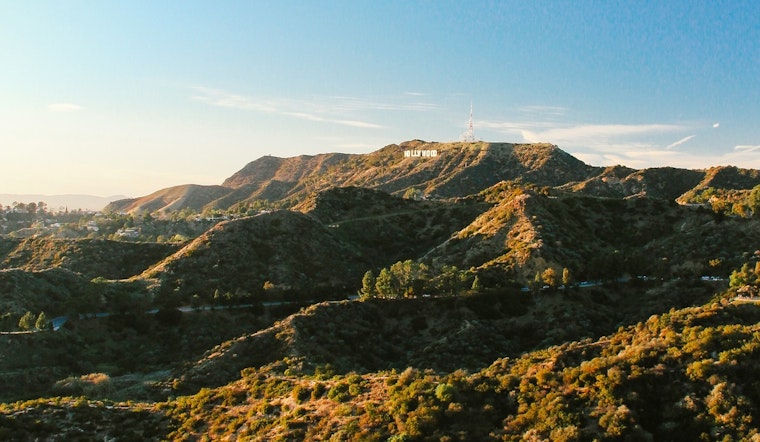
An excessive heat warning is currently in place for Los Angeles and surrounding areas, as the National Weather Service predicts dangerously hot conditions with highs reaching up to 105 degrees through 8 PM PDT Monday. Urging caution, the weather service advises residents to drink plenty of fluids, find air-conditioned shelters, avoid direct sunlight, and check on vulnerable groups such as the elderly and the very young. The heatwave is impacting various locales, including the Santa Clarita Valley, the mountains of Santa Barbara County, and Downtown Los Angeles.
As the mercury soars, temperatures tonight are expected to only modestly drop, reaching a low around 78 degrees before climbing again on Sunday and Monday, this excessive heat poses a significant risk for heat-related illnesses, especially for those individuals who lack air conditioning or engage in outdoor activities in these escalated temperatures. To combat the extreme heat, authorities suggest limiting outdoor exposure during peak heat hours and ensuring the well-being of your community by keeping in touch with others.
In response to the sweltering conditions, an air quality alert has also been issued, effective until 8 PM PDT Monday, by the South Coast Air Quality Management District. The alert addresses the elevated ozone levels that could result in severe air quality degradation, particularly detrimental in the afternoon and early evening. Those residing within affected vicinities, such as Beverly Hills, Compton, and Pasadena, are advised to limit outdoor activities, especially the sensitive groups including children and individuals with preexisting respiratory conditions.
Residents are encouraged to contribute to minimizing ozone pollution levels by postponing the use of gasoline-powered equipment, conserving electricity, and delaying activities like refueling cars and applying household chemicals until the cooler evening hours; this, coupled with the fact that ozone levels fluctuate and can become dangerously high due to heat and stagnant atmospheric conditions making the air stagnate over the Southwest Californian basin, making it difficult for pollutants to disperse and hence worsening air quality. The public can monitor current and expected air quality by visiting the South Coast Air Quality Management District's website or by using their mobile app, ensuring they can adapt their activities accordingly to safeguard their health.




