

























































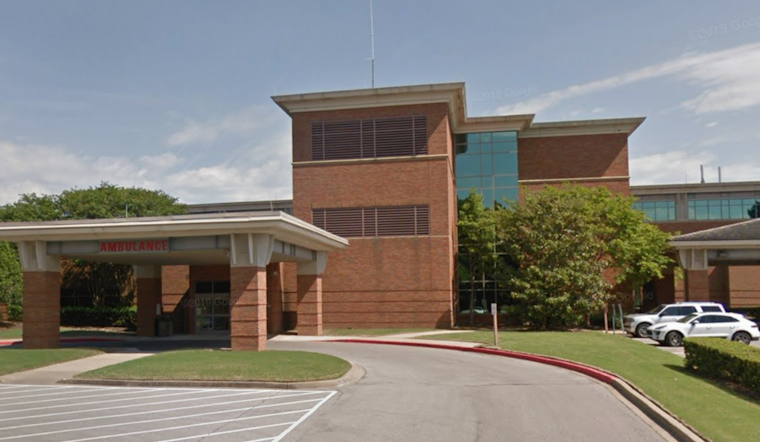
In an announcement that signals a significant shift in healthcare accessibility for residents of West Tennessee, Baptist Memorial Health Care and the Fayette County Board of Commissioners have agreed to bring a new hospital to Fayette County. According to Action News 5, this hospital, costing an estimated $24 million, will be the first of its kind in the area, providing services along the I-40 corridor between Arlington and Jackson.
Slated for construction at the northwest corner of Highway 64 and Warren Road, the location of the hospital is strategic for serving a growing population. As per Local Memphis, John David Douglas of the Fayette County Industrial Development Board expressed that with over 41,000 people in the county, according to the 2020 census, the requirement for immediate healthcare was imperative for a vibrant community, and now, was the right time to advance health care investment for employers and community alike.
Comprising eight emergency rooms and eight acute care inpatient beds, the facility is also set to offer outpatient imaging and lab services. Per information from a WREG report, this new hospital is not just a response to current needs but is designed to embrace future medical and technological advancements.
The construction is expected to span approximately 24 months, but the ripple effects of enhanced healthcare access in Fayette County could be profound and long-lasting. "This hospital will significantly improve access to emergency and trauma care in Fayette County," said Glenn Miller, director of Emergency Medical Services for Fayette County, in a comment to Action News 5. Echoing the sentiment, Jason Little, president and CEO of Baptist Memorial Health Care, stressed the critical nature of accessible emergent and inpatient care to bolster the health and well-being of regional communities, as reported by WREG.





