

























































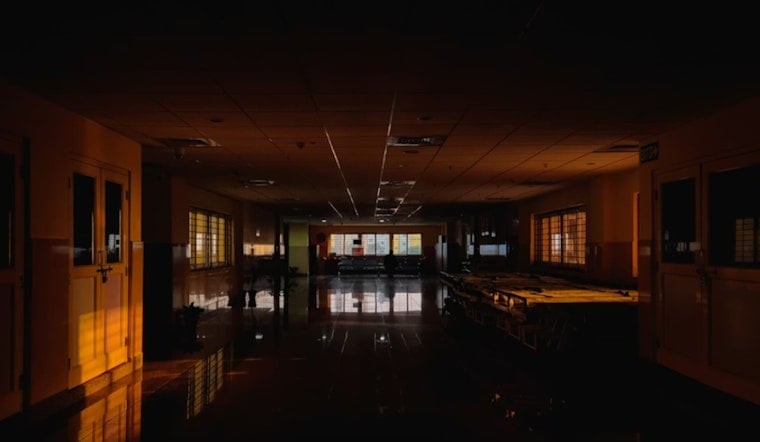
Tennessee has landed in the federal "medium-risk" bucket in a new audit that says most U.S. nursing homes do not have adequate, reliable backup power - a weakness that can turn flat-out dangerous when storms knock out electricity. The Office of Inspector General's review, released in late April, found gaps in maintenance and circuit coverage during on-site inspections and statistical sampling. For families and regulators still rattled by this winter's outages, the findings sharpen long-standing questions about enforcement and emergency readiness.
What the audit found
According to the HHS Office of Inspector General, auditors sampled 100 Medicare- and Medicaid-certified nursing homes and identified emergency-power deficiencies at 72 of them, totaling 119 deficiencies. From that sample, the OIG estimated that roughly 10,983 of 15,115 nursing homes nationwide - about 73 percent - likely have inadequate or unreliable emergency power systems. Common problems included poor generator maintenance, inadequate circuit coverage, and aging equipment. "Residents, staff, and visitors at these nursing homes are at an increased risk of injury or death during a power failure," the report warned.
Local crews describe dangerous outages
A Nashville paramedic who responded to this winter's outages told WSMV that generators "couldn’t heat up rooms" and that "the nursing home staff... seemed to be flying by the seat of their pants." He called conditions "dangerous" and said some residents' medical conditions deteriorated when power failed. His account puts real faces and frayed nerves behind the federal audit's statistics.
How Tennessee ended up in the middle
The OIG stratified its sample using FEMA's National Risk Index and grouped states into high-, medium-, and low-risk strata. Tennessee falls in the medium-risk stratum alongside states such as Alabama, Georgia, Illinois, Kentucky, and Louisiana, according to the audit. That label reflects a blend of county-level hazard scores, not a conclusion that every nursing home in Tennessee is unsafe, the report notes. Readers can review the OIG report's methodology and state list for the full breakdown.
Rules on the books and what regulators say
State standards require nursing homes to have on-site generators, at least 24 hours of fuel, and a regimen of inspections and monthly load tests, as set out in Tennessee's nursing home rules. The OIG recommended that the Centers for Medicare & Medicaid Services share the audit results with providers and emphasize reliable emergency power. The report notes that CMS concurred and said it would notify the nursing home community. The gap auditors flagged is less about having a generator in the corner and more about maintenance, circuit coverage, and consistent enforcement.
What families should ask
Family members and caregivers are not powerless here. They can ask facilities for generator maintenance logs, written fuel-supply plans, and clear answers on whether HVAC systems are covered by backup power. Advocacy groups and lawmakers have pushed for stronger transparency since the 2021 Texas blackout, and a Senate Finance Committee investigation titled "Left in the Dark" recommended tougher emergency-power standards and better planning for long-term care residents. As regulators and industry groups digest the OIG findings, families can treat documented emergency-power plans as a basic safety check, not a bonus feature.
The OIG audit is a blunt reminder that having a generator on the property does not guarantee safety. Upkeep, circuit design, and regular testing are what matter when the lights go out. For Tennesseans with relatives in care, the report underlines the need for specific, written answers about a facility's emergency-power readiness before the next storm hits.




