

























































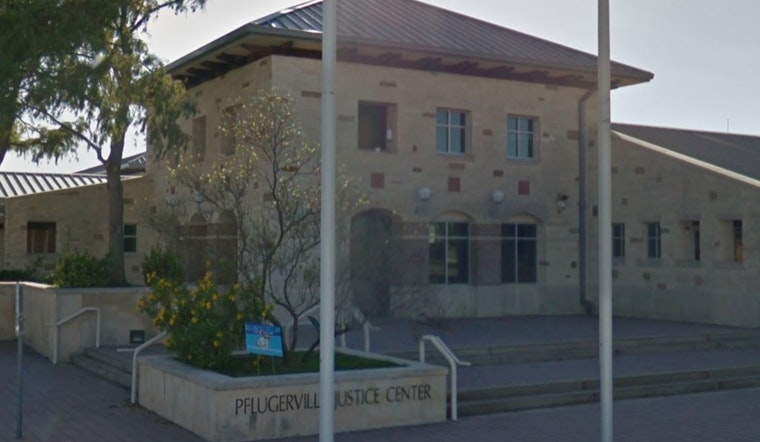
The Pflugerville City Council has laid out its financial plan for the 2025 fiscal year, adopting an $857 million budget. Residents will notice a property tax rate of $0.5428. This particular budget, which was sanctioned at a meeting on Tuesday, sees the average homeowner in Pflugerville shelling out $1,978.14 annually in city taxes, a subtle uptick of roughly $12 per month compared to the prior year, as KXAN reports.
The allocation for this budget will primarily finance roadway enhancements, improved public safety, as well as the development of parks and trails, and maintaining essential city services. Pflugerville is setting aside $86.3 million for these initiatives. Acknowledging an escalating population and subsequent demands on resources, Pflugerville has earmarked $170 million to address water scarcity issues and secure additional sources of drinking water. Mayor Victor Gonzales told KXAN, “Through this budget, we provide a plan that is responsive to resident desires and needs.” He highlighted the city's commitment to substantial investments in water and wastewater systems to support future prosperity.
Similarly, the Buda City Council has passed its budget for the fiscal year 2024-2025, amounting to $85 million, with a slight uptick in the property tax rate. Buda homeowners will face a tax rate of $0.3395 per $100 valuation, which is a marginal increase from the previous fiscal year, although it represents a decrease when compared to the rates before FY 2022-23. According to Community Impact, this adjustment translates to the average homeowner's city property tax bill rising by $1,301 annually.
Buda's foresight in urban infrastructure maintenance and growth is demonstrated by its planned enhancement of the Public Works Facility, the upgrading of the city's sportsplex, and the reconstruction of Austin Street. Furthermore, residents should anticipate an increase in utility bills, averaging a 4.5% hike, equating to about $5.83 monthly for the average user. This is attributed to a 6% increase in water rates and a 3% rise in wastewater rates, as detailed in a statement by Community Impact.
Both municipalities' recent fiscal decisions paint a picture of growing communities striving to balance the needs of expansion with the provision of essential services and infrastructure improvements, while cautiously navigating the inevitable impact on residents' wallets.





