

























































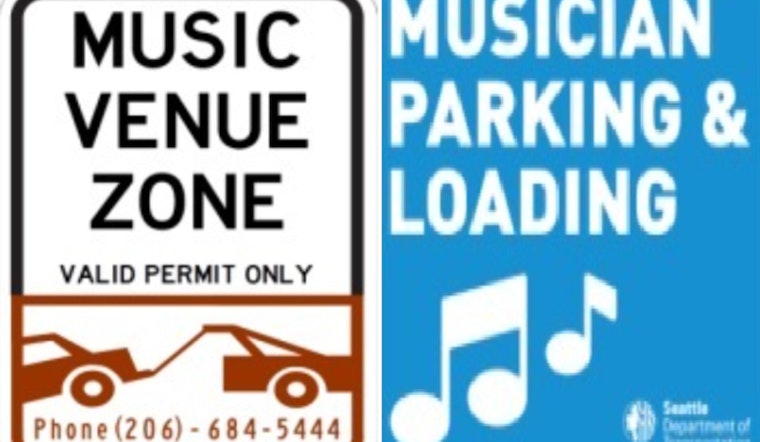
In an announcement that has musicians across the city preparing their instruments, the Seattle City Council, under the baton of Council President Sara Nelson, has unanimously passed a bill that's music to the ears of local artists and venues alike: a new parking permit designed specifically for the city's live music scene. Announced this past Tuesday, the Music Venue Zone Permit program is aimed at easing one of the major logistical burdens for performers in Seattle.
“Musicians are the heart and soul of our city. They create joy, connection, and meaning, and are a vital engine for our economy. The least we can do for them is ensure they don’t have to worry about a place to park when they’re performing,” Council President Nelson told the Seattle City Council's blog. "I’m thrilled that this bill addresses the concerns of hundreds of musicians, dozens of venues, and will create a richer nightlife across our city."
With the full backing of Council President Nelson and proposals from the Executive, the Seattle Department of Transportation (SDOT) has been tasked to potentially tune up the city's parking layout. The permits plan to allow up to three parking spaces per venue, giving musicians and their crews the option to park and load around the clock, 24/7, as long as they're flashing a valid permit. Parking predators without permits, beware: ticketing and towing are on the set list.
"This council and Mayor Harrell’s decision to pass the music venue parking legislation sends a powerful message of our city’s dedication to live music. Our community of venues, artists, and musicians will experience the positive impact of this daily,” Shaina Foley, general manager of The Crocodile told the Seattle City Council's blog. As this new program begins, 33 venues have already met the eligibility criteria, and SDOT has been assigned to reach out to nearby businesses and nonprofits focused on harmony to ensure everyone is aligned.
The final goal of this legislative effort is to enhance support for performing artists and their dedicated teams, resonate with music lovers by making live performances easier for artists, and support music venues that contribute to Seattle's economic vitality.





