

























































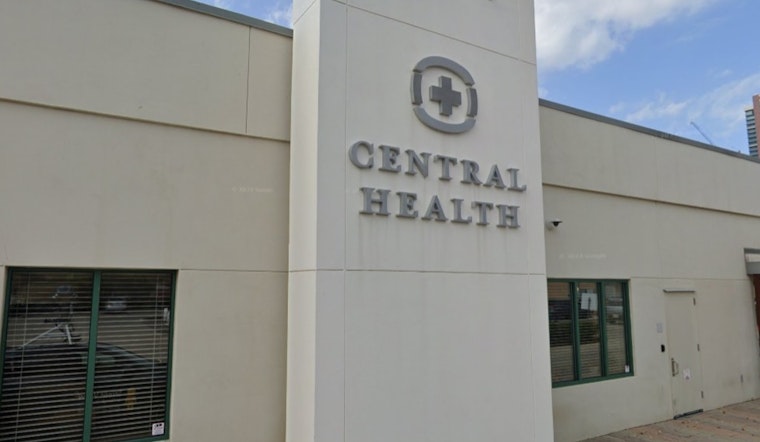
Travis County Commissioners are grappling with legal questions over Central Health's financial support to Dell Medical School. Following a unanimous vote to pass Central Health's hefty $888 million budget, outside legal counsel has been introduced to review the legality of a $35 million annual payment to the University of Texas Dell Medical School. Central Health is tasked with providing healthcare to financially disadvantaged residents, and there are rising concerns on whether this fiscal relationship with Dell Med aligns with the district's mission and state law. KXAN reported Commissioner Brigid Shea's skepticism: "If you’re giving somebody $35 million and they don’t have to tell you what they’re doing with it, that’s when people end up in jail, in my experience."
Amid the financial controversy, a KXAN report indicates that the Commissioners' unease is rooted in Central Health's mission to help the indigent, and whether the funds provided to Dell Med are being utilized for that purpose. With tax dollars at stake, the Commissioners, and some Central Health board members seek a breakdown of exactly where the money is going. As part of these transparency efforts, the Commissioners have also requested a deeper dive into the affiliation agreement through an outside legal review.
According to audit results published by Mazars USA, quoted in a KXAN article, "Dell Med’s use of the funds is consistent with the affiliation agreement terms." However, this has done little to ease concerns, as clarity on the compliance with state statutes governing taxpayer money usage for indigent care remains elusive. A primary point of contention is whether or not the funds are inexplicably benefiting the county's poor.
On one side, the Austin Monitor relayed Attorney Fred Lewis's contention with the budget approval stating, “the Commissioners undeniably knew from Mazars performance review and publicly available documents that Central Health has no financial controls, and UT provides no health care for the poor. Who would continue to pay them?” On the other hand, Central Health CEO Dr. Patrick Lee highlights the partnership's benefits, pointing out the diversity and retention of medical trainees at Dell Med and emphasizing the value they add to healthcare access in the community.
The county's tax rate is set to increase by 6.5 percent, with a significant portion of the budget addressed toward specialty and mental health care. As noted by a representative from Dell Medical School, in a KXAN story, a million hours of faculty physicians, residents, and fellows' time is dedicated annually to clinical sites serving Travis and surrounding counties. With both a specialty care hospital and an MD Anderson Cancer Center underway, the school asserts its commitment to broad community healthcare access.
Questions persist amid moves toward fiscal transparency. Shea encapsulates the predicament facing Travis County as the public, and officials alike ponder the return on their tax contributions: "The public needs to understand – what are we getting for that $35 million?" echoed from the Austin Monitor. With scrutiny mounting, it's clear that legal and financial clarity will be critical for county officials navigating the delicate balance between fiscal responsibility and healthcare delivery.





