

























































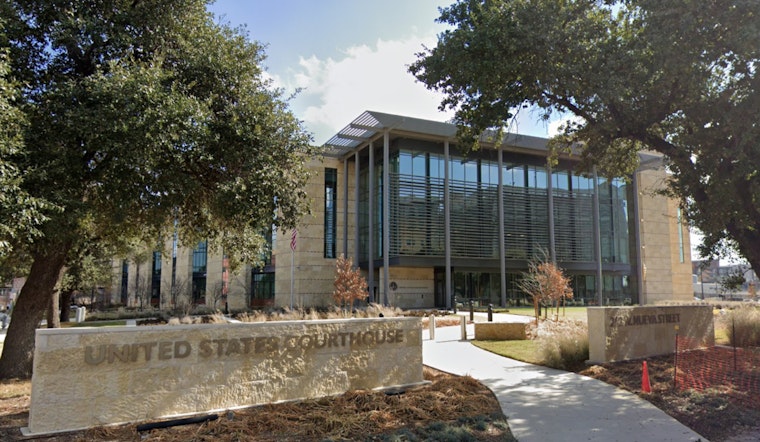
In a notable development for Texas voting laws, U.S. District Judge Xavier Rodriguez has struck down parts of a Texas statute designed to curb vote harvesting, deeming certain provisions too vague and in violation of constitutional rights. The Texas Tribune reports that the ruling effectively puts a pause on the state's ability to pursue inquiries into supposed vote harvesting activities. This includes halting an investigation headed by Attorney General Ken Paxton into the League of United Latin American Citizens.
Prior to Rodriguez's judgement, individuals engaged in vote harvesting in exchange for compensation were potentially facing a third-degree felony. As a consequence of the law's ambiguity, those involved in groups striving to bolster voting participation were left uncertain about how they could legally interact with voters – an uncertainty that could have resulted in up to ten years of imprisonment, and a fine of up to $10,000. "Witnesses were particularly uncertain about how to interpret the terms “physical presence” and “compensation” — neither of which is defined in the statute — and how the Canvassing Restriction impacts organizers’ ability to provide voting assistance during their in-person interactions with voters," Rodriguez wrote, as cited by Texas Public Radio.
The suspended provisions have been fiercely defended by Republican lawmakers who argue such measures are necessary to avert voter fraud and ensure the integrity of elections. Notwithstanding these claims, the ruling underscores the judge's stance that there is an underlying problem with the legislation's clarity and its reach, impacting the 14th Amendment and freedom of speech rights.
Consequently, the Texas Attorney General's office is currently halted from conducting investigations premised on this contentious provision, but it's important to note that this isn't the end of SB1's legal challenges. Other litigation surrounding voting restrictions continues. Despite the continued controversy, Nina Perales, vice president of litigation at MALDEF, celebrated the decision, stating that "Today’s ruling means that voter outreach organizers and other advocates in Texas can speak to mail ballot voters about issues on the ballot and urge voters to support improvements to their communities," according to the Texas Tribune.
Moreover, the ruling has been met with relief from voter outreach organizations. The ACLU of Texas lauded it to The Texas Tribune, saying, "This is a win for voting rights in the state, and for the organizations that help keep elections accessible." Similarly, LULAC welcomed the decision, suggesting it exposes the flaws in state-led campaigns ostensibly aimed at combating voter fraud but have often appeared targeted at intimidating particular voter demographics. LULAC told Texas Public Radio, "For too long, certain politicians have used false claims to push abusive laws like this in campaigns of intimidation. Today's decision blows a hole in those campaigns."





