

























































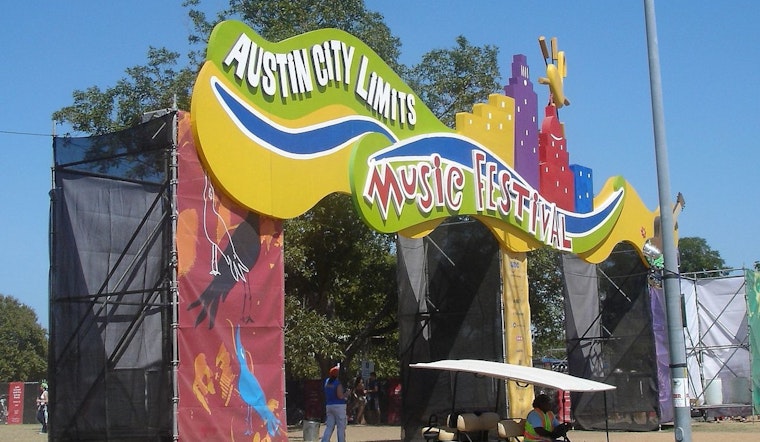
The Austin City Limits Music Festival, a staple event since 2002, continues to generate significant economic benefits for the Austin area. With the festival underway, local businesses and the wider economy are set to receive an annual fiscal boost. Thousands of visitors flock to Zilker Park, their arrival marking a profitable period, especially for small businesses and the hospitality sector.
"Come here with no plans. Just walk around, get some food. The alcohol is good," one attendee remarked in an interview with KXAN. As music fans converge on the festival site, the influx of cash isn't just confined to ticket sales or on-site vendors. Visitors, many from outside Austin, are spreading their dollars across a variety of local economic activities, including dining, car rentals, and lodging. The presence, and purchasing power, of these attendees are keenly felt by establishments along Barton Springs Road, which turns from typically quiet to bustling during the event.
Businesses such as Barton Spring Saloon and other pop-ups benefit from the increased foot traffic, and hotels in the vicinity see a remarkable uptick in bookings. "Tickets around 300,340, food, probably another 40, merchandise minimum 50," Jose Herrera itemized his festival spending in a statement obtained by CBS Austin. The demand for accommodations has surged to the point where room rates at hotels like the Carpenter soared to over six hundred dollars a night during the festival.
The financial impact of ACL on Austin's economy is substantial. "This is another event that is bringing in a lot of people from outside the area," observed Matt Patton, executive vice president of Angeloueconomics, in a statement obtained by KXAN. According to Austin City Limits, last year's festival contributed almost half a billion dollars to the local economy, and since 2006, the cumulative impact amounts to $3.5 billion. These figures not only speak to direct spending but also translate into the creation and support of jobs—35,967 over the past 18 years, as per the information provided by ACL.
Moreover, the festival's positive impact extends to Austin's public spaces. ACL reported that a percentage of ticket sales, totaling more than eight million dollars last year, was allocated for the improvement of parks and green spaces around the city. "The City of Austin is benefitting with all of that. I’m sure the artists benefit as well," festival-goer Shelby Butcher told CBS Austin. As ACL progresses, its ripple effects are expected to continue enhancing the region's economic landscape and the vibrancy of its communities.


