

























































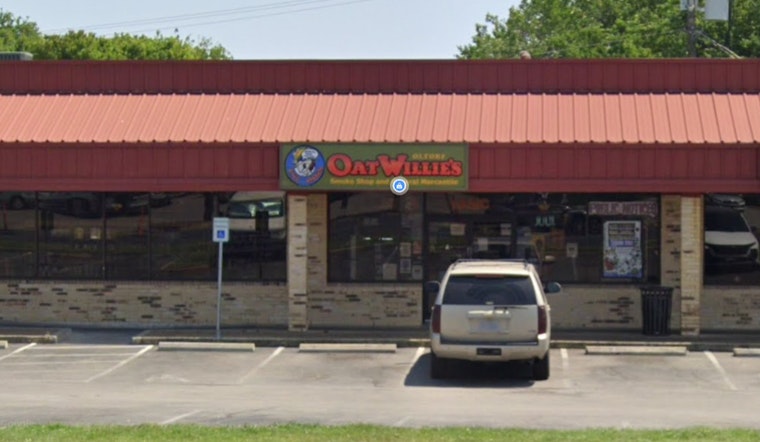
A long-standing icon of Austin’s counterculture and purveyor of pipes, rolling papers, and other paraphernalia, Oat Willie’s, has announced that it will close its last location after a notable 56-year presence in the city, as KVUE reported on October 24th. Opened in 1968, Oat Willie's holds the distinction of being Austin's first head shop, an offshoot of an irreverent political cartoonist’s mayoral race stunt that struck a chord with the community and evolved into a retail symbol for the city's unique and eclectic spirit.
Recently, shoppers seeking to bid farewell to this piece of countercultural heritage can find significant discounts at the East Oltorf Street store; the final Oat Willie's location is liquidating its inventory with sales including 50% off a range of merchandise like clothing, jewelry, and books and 30% off items including pipes, which despite legal challenges in the past, remained a defining feature of the store's diverse offerings, according to the Austin American-Statesman.
The closure is emblematic of a broader trend as once-loved Austin institutions are progressively eclipsed amidst the city’s ongoing transformation and growth, the small yet storied shop was once part of a thriving local countercultural scene, over the years, the demise of such landmarks as Z’Tejas, Opal Divine’s, and Threadgill's has signaled shifts in the city's cultural and commercial landscape, with Oat Willie's now the latest to join the list of bygone Austin favorites this year.
Oat Willie's seen its fair share of market pressure and regulatory changes, at one time boasting three shops within Austin, its endurance and adaptation to the legal landscape of Texas in the 1980s, where paraphernalia laws threatened its business model, proved the resilience and ingenuity of its owners Doug Brown and George Majewski but despite these victories, the last decade witnessed a gradual consolidation and now the cessation of a once flourishing chain, signaling not just a business closure but the end of a local legacy that has enriched and been an integral part of Austin's cultural fabric for more than half a century.





