

























































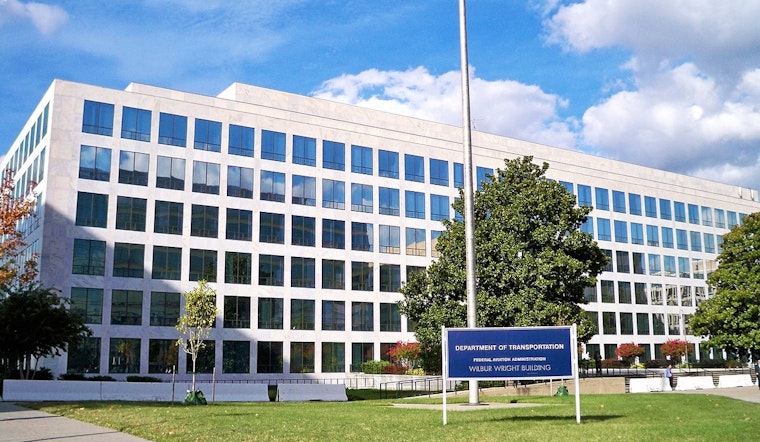
Following the devastating aftermath of Hurricane Helene, which demanded an extraordinary response to help the impacted communities of Western North Carolina, aviation has proven to be a lifeline for the region. Emergency aid, essential supplies, and coordinated search and rescue operations have been facilitated through unprecedented use of the airways. Relief efforts have had a noted uptick in air traffic, with the Federal Aviation Administration (FAA) citing a 300% increase, as reported by NCDOT.
This surge in flight activity has brought together civilian and military personnel in a concerted effort to ensure efficient and safe operations. "Helene has already devastated so much; we want every pilot, aircraft, and airport staff member to go home safely every night of the response," Becca Gallas, Director of the NCDOT Division of Aviation, told NCDOT. An integrated approach featuring the establishment of Prior Permission Request Lines and designating Standard-use Army Aircraft Flight Routes (SAAFR) has been critical in managing the congestion.
Furthermore, to combat the complexities of having numerous aircraft in the sky simultaneously, the North Carolina Division of Aviation, in partnership with both federal and state agencies, has instituted Temporary Flight Restrictions and deployed Temporary Air Traffic Control Towers. These towers are strategically positioned at high-traffic regional airports, a move that has been instrumental in ensuring navigational safety during the intense response to Hurricane Helene.
Despite the challenges presented by an increase in air operations, the strategic coordination measures have shown effectiveness in reducing accidents. After the implementation of the new protocols, incidents have declined, with no major episodes occurring since the systems were put in place, following the two short-term runway closures caused by minor airdrop mishaps.





