

























































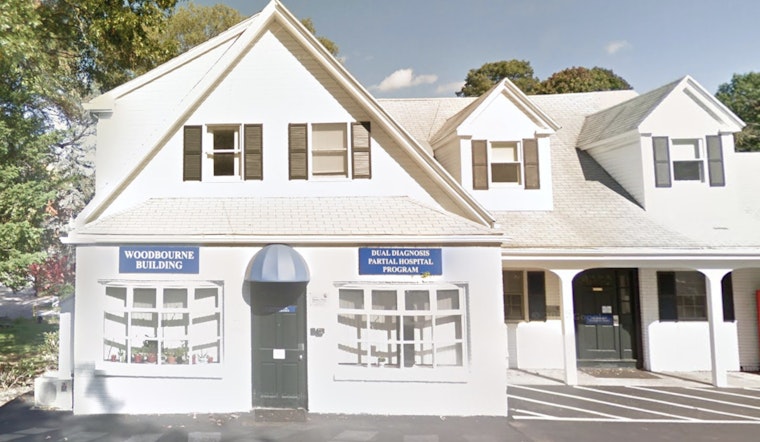
Bournewood Health Systems and its affiliate Bournewood Hospital, collectively known as Bournewood, will cough up somewhere between $5.5 million and $6.5 million to settle accusations of defying the False Claims Act by engaging in kickback activities. As per the U.S. Attorney's Office for the District of Massachusetts, these funds are designated to address allegations that Bournewood provided free sober housing as an incentive to attract substance use recovery patients to its treatment programs, which may violate federal and Massachusetts Anti-Kickback laws. The patients involved were Medicare and Medicaid participants who were directed to Bournewood’s Partial Hospitalization Program (PHP) due to these incentives.
The timeline of Bournewood's alleged tactics extends nearly a decade, from at least September 16, 2013, to May 31, 2022. The facility acknowledged its arrangement with various sober homes to house its PHP patients, contingent on their continued attendance in the program. Once patients ceased attending the PHP, payments for their sober home accommodations would be promptly halted, according to documents obtained by the Justice Department. The situation is further complicated by the legal issues facing accused sober homes such as Steps to Solutions, Inc., Brady’s Place, and Recovery Education Services, intensifying the controversy surrounding Bournewood's operations.
Acting U.S. Attorney Joshua S. Levy highlighted the risks associated with such schemes, stating, "Unlawful kickbacks can corrupt medical judgment, jeopardize patients’ health and create an uneven playing field for companies that play by the rules." Levy further elaborated the importance of service-based recovery aids rather than seductive amenities meant to rake in profits at the expense of the vulnerable. "We need to focus on getting people services based on what will best aid their recovery, not based on amenities that providers use to lure vulnerable patients to increase profits. That’s especially so where the supposed amenities place patients at risk," Levy told the U.S Attorney's Office.
This is not solely an issue of corporate greed; it also concerns the well-being of vulnerable individuals. The kickback arrangement places those in need of proper care in a precarious position. Massachusetts Attorney General Andrea Joy Campbell took a firm stance, "When medical providers put their own financial incentives over the wellbeing of their patients, vulnerable individuals in need of care are unfairly harmed," Campbell said in a statement obtained by the U.S Attorney's Office. The case was a collective effort by numerous agencies, all intent on protecting the integrity of taxpayer-funded healthcare programs and the safety of the patients who rely on them.




