

























































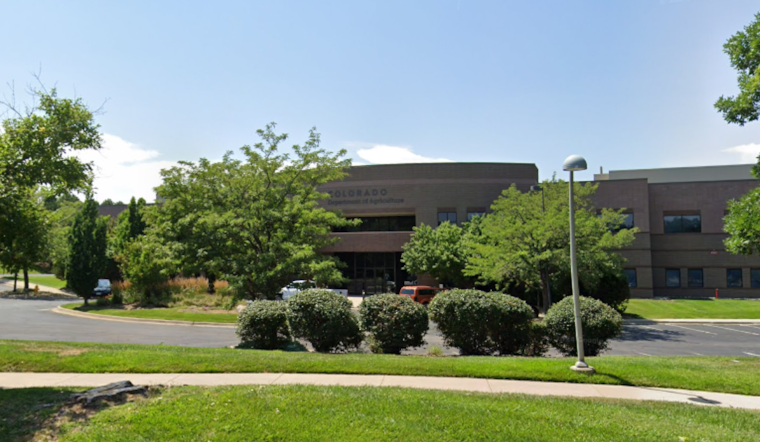
With the return of wolves to Colorado’s landscapes, livestock producers are getting schooled on the art of peaceful coexistence. The Colorado Department of Agriculture (CDA) has teamed up with a pack of partners, including Colorado Parks and Wildlife (CPW), USDA-APHIS Wildlife Services, and Colorado State University Extension, for a series of conflict reduction trainings aimed at preparing agricultural communities for the next calving season in the presence of these apex predators. These workshops are designed to educate on non-lethal deterrent methods, a movement supporting the state's push towards a balance between farming and native wildlife conservation.
As reported by CDA, CDA’s Non-lethal Conflict Reduction Program Manager Dustin Shiflett stated, "We are reaching out to producers across Colorado who are interested in learning more about non-lethal predator conflict reduction methods, whether wolves are in their community already or not." Sessions are filling up the calendar before calving and lambing season rush in, with the intention being to amp producers’ knowledge on the available tools like range riding, carcass disposal, guardian dogs, and incidentally, a flexible grant program that the state offers.
"Through our conflict mitigation grants and through these trainings, CDA is building partnerships with trusted local leaders to help ranchers and livestock owners coexist with Colorado predators," Commissioner of Agriculture Kate Greenberg said, as per CDA. The initiative underscores the proactive steps being taken to prevent potential wolf-livestock conflicts and maintains agriculture as a key player in this ecological drama. Sharing the stage, CPW Director Jeff Davis added in ag.colorado.gov, "These conflict reduction trainings are an essential step in ensuring that livestock producers are equipped with the knowledge and tools needed to minimize conflict with wolves."
For those with a stake in the game, trainings cover a slew of topics including wolf depredation investigations and the fine art of employing livestock protector dogs. A quartet of meetings is already on deck, stretching from Craig to Glenwood Springs, with registration a click away on the CDA's events page. The department is also offering stockmanship clinics, where producers can roll up their sleeves and get down to the nitty-gritty of cattle handling, as part of their hands-on approach to reconcile farming practices with wildlife dynamics. Potential attendees should direct their queries to the CDA Non-lethal Conflict Reduction Program Manager for insight into future clinics.
As wolves trot back onto Colorado's stage, the scene is set for a fascinating test of human adaptability. It’s a tale of two residents, one human, one wild, and the lengths we go to share a home under the vast Colorado sky. Colorado looks to these trainings as the script guiding its agricultural sector through a narrative that doesn’t necessarily end with the wolf at the door.




