

























































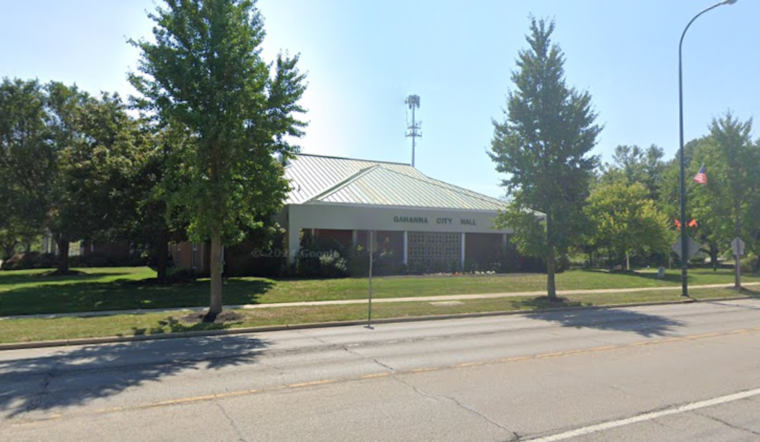
The City Administration, alongside the Council, is inviting community members to participate in the 2025 budgeting journey. According to a city announcement from Gahanna City Hall, residents are encouraged to actively contribute their perspectives and suggestions as the discussions progress over the next few months.
The budget talks will span several critical meetings with dedicated times for public commentary, leading to the final vote on the 2025 Appropriation Ordinance, scheduled for the Regular Council Meeting yesterday, December 16. In the process, public participation's significance is underscored by city officials who see it as integral to shaping the locality's future. During the Regular Council Meetings, which occur on the 1st and 3rd Mondays of the month, the Hearing of Visitors segment opens the floor to residents. Here, individuals may voice their concerns and thoughts in person or virtually.
Furthermore, two Public Hearings focusing on the 2025 budget are set for November 18 and December 2. These hearings provide another platform for the public to offer testimony and are designed to directly inform the budgetary process through resident insights. The city's call for public interaction suggests a shift towards inclusivity and transparency in governmental financial decisions.
Community engagement in these public hearings and council meetings is a formality and a critical aspect of participatory governance. Those interested in speaking up about the budget can do so in the prescribed format and times, contributing to a communal fiscal plan that, above all in terms of infrastructure and services, is meant to echo the voices of its citizenry. The expectation is that such engagement will result in a budget that mirrors the diverse priorities and needs of all city dwellers without giving undue preference to any one sector.





