

























































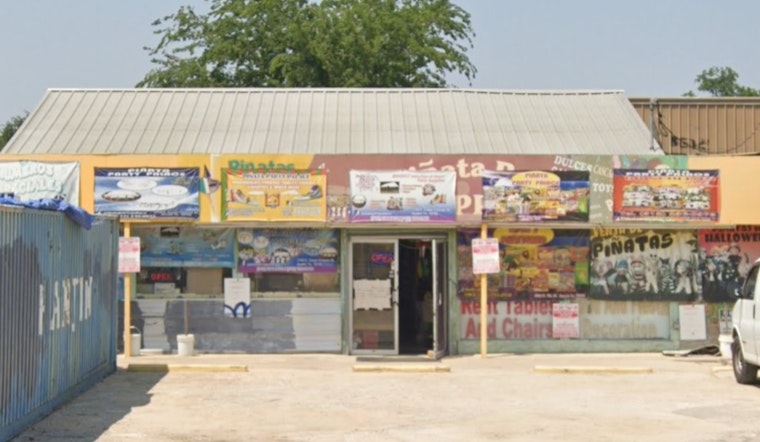
The landscape for small, culturally-tinged businesses in Austin is rapidly changing, with a number of the city's piñata shops struggling to withstand the pressures of a dynamic real estate market. Ana Cano of Mr. Brincolin, a business once rooted in East Austin, relocated to West Rundberg Lane and North Lamar Boulevard 12 years ago due to soaring rent, a fate that has recently befallen other establishments in the area. "We moved because the rent was too high, and so we couldn't afford it," Cano told KVUE.
East Austin, once a hub for numerous Latino businesses, has seen a dramatic shift as traditional establishments are priced out to make way for new development. This evolution has not only altered the neighborhood's commercial fabric but also its cultural identity. As another staple of the community, Piñata Party Palace was forced to shut its doors almost 40 years after its inception, owner Jorge Salazar expressed personal and professional heartache. "I nearly broke down, as an old-school man... when this lady and her kids [recently] said 'Where are we gonna get our piñatas from Jorge?'" Salazar shared with Austin American-Statesman in an interview as he reflected on the impact of his store's closure.
This trend of displacement is not unique to piñata shop owners. Many small businesses throughout East Austin are finding themselves in similar positions, forced to confront the reality that keeping their doors open in their traditional locales is becoming untenable. As noted by KVUE, the shops are already bracing themselves for the holiday seasons, preparing pumpkin and turkey piñatas, indicating a resilient effort to continue serving their community despite the challenges.
Raquel Hernandez of Raquel's Partyland also finds herself in a position to have to fend off rising costs and dwindling patronage from a neighborhood that used to be predominantly Latino. "the goal these days is to survive," Hernandez told Austin American-Statesman. This sentiment underscores the difficulties faced by immigrant-run businesses in maintaining their foothold in an environment that seems increasingly inhospitable to small businesses. The piñata vendors' pleas to the public to shop locally and support these ventures reflect a communal effort to keep traditional practices and cultural celebrations alive amidst a city in flux.


