

























































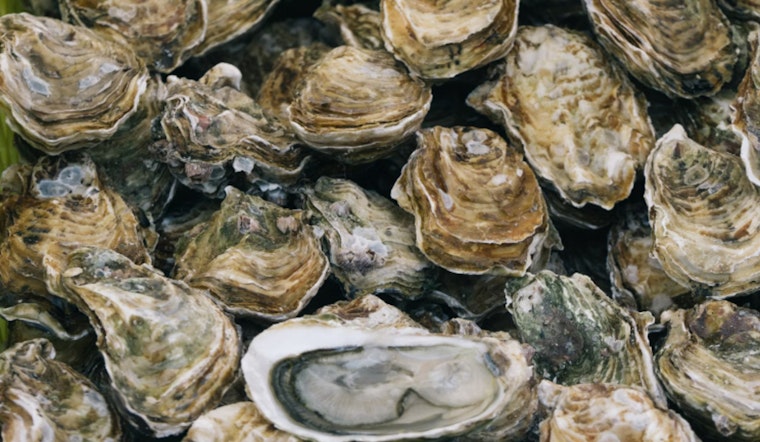
As Texas oyster lovers gear up for the upcoming season, starting November 1, they will find options notably limited due to environmental challenges affecting the harvest areas. Only 10 out of the usual 28 shellfish harvest zones will be accessible for fishing at the season's outset, as reported by the Houston Chronicle. The Texas Parks and Wildlife Department (TPWD) conducted sampling surveys which indicated that many reefs harbored low numbers of market-size oysters, a shortage primarily attributed to storm damages and flooding earlier in the year.
Texas' Galveston Bay, a historically rich source for oyster harvesting, is amongst the areas affected. Only three areas in the bay—TX-2, TX-4, and TX-8—have met the criteria to remain open. "We had hoped for better abundance numbers that would've allowed for more areas to be open this season," Robin Riechers, director of TPWD's Coastal Fisheries Division, told the KHOU. Unfortunately, natural disasters like tropical storm Alberto and Hurricane Beryl have led to an increase in freshwater influx in the bay, causing significant oyster mortality.
Aside from Galveston Bay, the season will kick off with open areas in Aransas Bay, Matagorda Bay, Corpus Christi Bay, Laguna Madre Bay, and San Antonio Bay—TX-19, TX-20, TX-26, TX-29, TX-30, TX-33, and TX-34 respectively. Despite the reduced number of open areas, it marks a slight improvement from the previous year, which started with just eight zones. The openings may yet vary throughout the year, contingent upon the fluctuating oyster populations in each zone.
The department's efforts have not waned in the face of these challenges. “The department is increasing restoration efforts, closely monitoring reefs and taking prompt action if overfishing occurs and streamlining programs, like cultivated oyster mariculture. For this year, our sampling data shows that wild oysters are still at low abundances and struggling,” said TPWD Executive Director David Yoskowitz, according to the Houston Chronicle.
Oysters are a keystone species providing crucial ecosystem services and a source of livelihood for many. With the season set to continue through April 30, TPWD remains vigilant, recognizing the delicate balance needed to nurture oyster populations while meeting the demands of commercial interests. The department has proactively noted that some areas widely known for minimal harvests, such as zones 2, 4, 8, 33, and 34, were not sampled ahead of the season but will be opened by default come November 1.





