

























































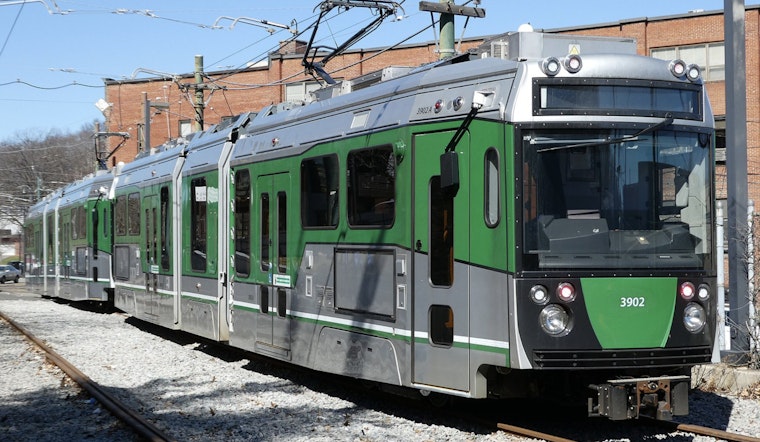
The Massachusetts Bay Transportation Authority (MBTA) is making strides in upgrading the accessibility of its transportation system with a model of its latest Green Line train, known as the Type 10 car. The new train mockup is on display at City Hall Plaza in Boston, inviting the public to view and provide feedback on design features aimed at improving rides for everyone, as reported by NBC Boston. It is available for viewing today from 7 a.m. to 7 p.m. The mockup showcases key improvements, including wider doors and a level boarding experience, which address barriers for individuals with disabilities.
For Kailyn Sitter, the engagement in the design process is about more than convenience. It's about recognition. "Like, we're part of what makes Boston awesome. And so the fact that we can have our voices heard, I think, is really important," Sitter reflected, according to a NBC Boston interview. The extended trains, measuring 40 feet longer than most current models, will also increase the system's capacity and are expected to help reduce the chronic congestion that has affected the Green Line in the past.
Other highlighted features include upgraded audio systems, real-time service updates, and larger, brighter displays for better communication with riders. However, some commuters have noted areas for improvement. One suggested changes to screen contrast, while another expressed concerns about a narrower walkway between seats compared to the current design. These rider comments highlight the MBTA's opportunity to refine the final design before the first new Green Line trains enter service in the winter of 2027-2028, with a complete rollout expected by 2031, as NBC Boston mentions.
Despite the futuristic train, concerns linger about the broader MBTA system. "A lot of the problems we have are stops that the train just keeps making. I thought that had to do with the tracks themselves, not necessarily the trains," Michael Shulman expressed skepticism about whether the new trains will solve the existing issues, a sentiment resonated by Joseph Borkowski who is simply looking for "more reliable vehicles," communicated in a WHDH interview. Meanwhile, some riders recognize the historical momentum, with Colleen Flanagan noting the importance of greater inclusivity: "34 years after the Americans with Disabilities Act, I feel like it’s about time," she told WHDH, marking the advancement as a milestone for equal access in public transit.
The MBTA is eager to gather input on the Type 10 mockup until tonight, encouraging ongoing discussion about the future of Boston's public transportation for all riders.





