

























































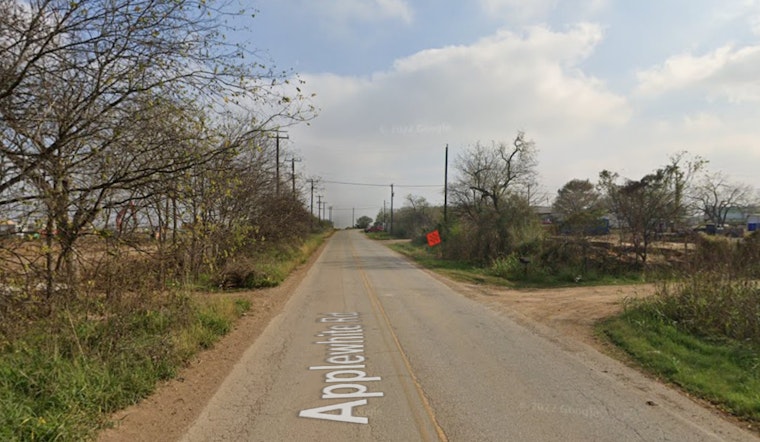
The South Side of San Antonio is on the cusp of welcoming a new lifeline for individuals facing addiction, as Jarvis Anderson, Director of the Community Supervision and Corrections Department, announced a 130-bed recovery facility set to open along Applewhite Road. According to FOX San Antonio, the center is described as a crucial "reinvestment in the community," especially for those without insurance coverage or encountering delays in accessing existing services.
Working alongside its 240-bed counterpart, the Applewhite Recovery Center, this new establishment will address the crowding issue at the Bexar County Jail. It will also enhance the level of care by providing individualized attention, and follow-up sessions deemed necessary for a full recovery. "This facility is a reinvestment in the community," Anderson told Here's San Antonio, signaling the intent to broaden the reach of support for the community.
The establishment of this new facility comes in the wake of tragic losses at the Bexar County Jail, where six inmates, including a woman named Roxanne Otero, died since late July, with some of these deaths linked to drug withdrawal symptoms. The new recovery center is anticipated to provide essential services that could prevent such incidents from reoccurring, as highlighted by Here's San Antonio.
County Commissioner Rebecca Clay-Flores acknowledged the new center's importance, "The creation of this facility couldn’t come at a more crucial time," and its potential to save lives. The goal is to offer more personalized treatment, and follow-up sessions that can make a significant difference in the lives of those recovering from addiction. In a statement obtained by Here's San Antonio, Clay-Flores reiterated its role in supporting the community's most vulnerable.





