

























































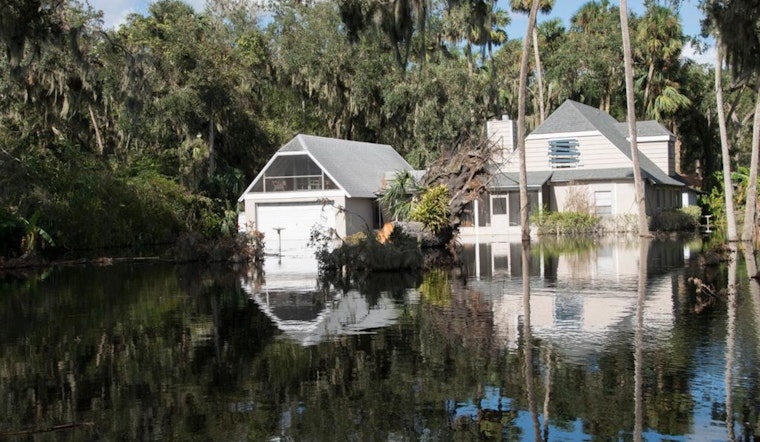
As Northeast Florida braces itself for naturally occurring aquatic hazards, residents and visitors are receiving stern warnings from the National Weather Service in Jacksonville. A Coastal Flood Advisory and a High Rip Current Risk alert are in effect, emphasizing the dangers lurking off the shores of Nassau, Duval, St. Johns, and Flagler Counties, as per NWS.
The NWS advisory, issued early this morning, remains firmly in place until 6 AM EDT tomorrow, with the rip current risk extending through late tonight. Officials warn of "minor coastal flooding" and "dangerous rip currents," conditions threatening enough to sway the most adept swimmers away from the relative safety of the shallows.
Flood impacts could lead to waterlogged lots, parks, and certain roadways, possibly resulting in isolated road closures. While pervasive inundation is not expected, authorities caution the public to avoid complacency. Noteworthy measures, including travel advisories and the closing of vulnerable routes, have been prescribed to ensure safety and uphold community well-being.
Beachgoers are advised to swim only near lifeguard stations, as the robust rip currents pose an invisible, yet perilous trap for the unwary. The National Weather Service exhorts: "If caught in a rip current, relax and float. Don`t swim against the current." Individuals should swim parallel to the shore if possible, or signal for help should they find themselves in distress. These warnings underscore the unpredictability, and the might of the ocean's currents.
In the larger context of weather patterns, the region anticipates mostly sunny days ahead with a significant chance of breezy conditions. Temperatures are projected to hover amicably in the high 70s to low 80s, granting some reprieve from the raw forces currently churning just beyond the coastline.





