

























































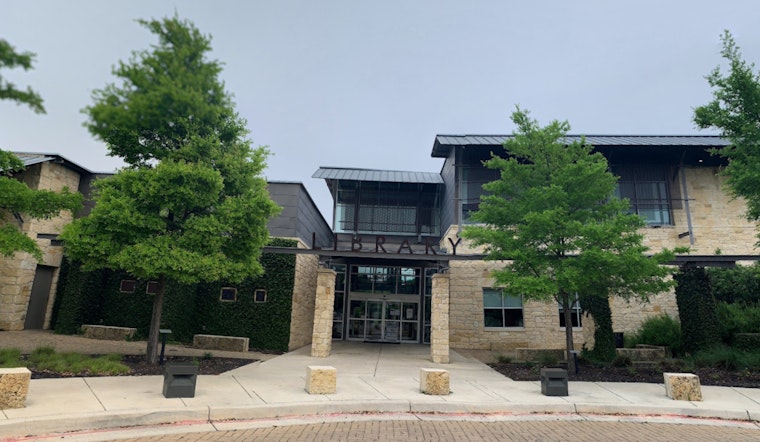
The local history and the personal memories of a community carry the weight of collective identity, and thanks to new initiatives like the Patrick Heath Public Library's Memory Lab, these narratives are being preserved in digital formats. The new Memory Lab, which celebrated its grand opening last friday, offers a dedicated space for individuals to convert family videos, photographs, recordings, and negatives into digital files. According to a recent report by My Boerne News, "This grant from the Mellon Foundation aligns seamlessly with our goals, enhancing our ability to provide equitable access to resources and serving as a dynamic force within our community," as noted by Library Director Natalie Shults.
Moving beyond the local scale, the phenomenon of 'memory labs' is catching on nationally, with a network of libraries and non-profit organizations offering similar services. As observed by NewsNationNow, the demand for such services has spiked, illustrating the public's growing interest in genealogy and digital preservation. In Johnson County, Kansas, for instance, patrons packed the schedule of their local memory lab—all slots for two months were filled by 8:30 a.m. on the opening day. A volunteer at the Kansas memory lab, Ron Powell, said, "It’s do-it-yourself, but the goal is to make them self-sufficient so they can run the equipment and then we let them do the job."
The trend represents a shift from traditional, often pricey, digitization services to community-driven, cost-effective solutions. Private companies may charge substantial fees, a barrier for many seeking to preserve memories. For example, rates between $30 to $50 to convert just a few film reels are not uncommon. Moreover, customers using these services often experience anxiety about mailing their irreplaceable memorabilia, as noted by companies like Legacybox or Digmypics.
Yet, these community memory labs, funded by grants such as the generous $694,000 donation from the Mellon Foundation to the Patrick Heath Public Library, offer free-to-use services negating the need for expensive alternatives. Marsha Bennett of the Johnson County Genealogical Society explained that despite an upfront cost for equipment, which was in their case covered by a donor, the long-term benefits of digitizing media like photographs and Super 8 films are invaluable. That lab is also planning to expand its service offering by adding equipment for digitizing VHS tapes.
The Boerne Memory Lab also acknowledges the contributions from community institutions and individuals, such as the Boerne Area Historical Preservation Society, Kendall County Historical Commission, and library professionals including former director Kelly Skovbjerg and Adult Services Librarian Robin Stauber. Lab coordinator Sarah Habeeb, whose position was made possible through the Mellon Foundation grant, will be overseeing this initiative focused on preserving Boerne's collective memory – accessible to all. For pursuing further details on the Memory Lab and its services, the community is directed to the Patrick Heath Public Library website.





