

























































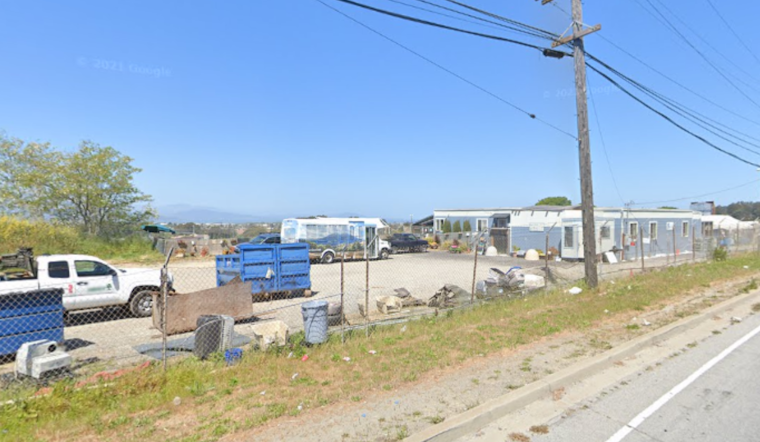
San Pablo's cherished animal sanctuary, Jelly's Place, is embroiled in a fight for its future as it grapples with potential relocation or closure due to property complications with the California Department of Transportation (Caltrans). Established by Julie Bainbridge, who poured seven years into the shelter just off I-80, Jelly's Place has been a haven for scores of needy animals. Housing nearly 200 animals, "sixty of those are cats. The rest are large and small breed dogs," Bainbridge told KRON4.
Bainbridge has been informed that the shelter’s lease will not be renewed due to a shift in state law preventing state property from being leased for animal shelters. This has directly impacted the shelter's intake of stray animals, pulling at the compassionate strings of its founder. "I spend a lot of sleepless nights worried about… somebody will bring an animal in and I can’t take it and it’ll bother me for days," she mentioned in the interview with KRON4. However, Caltrans is pivoting the land use to stage equipment for a construction project on I-80, leaving the shelter with an uncertain future.
Yet, there is a glimmer of hope as discussions are underway with local government officials for potential relocation sites. Bainbridge remains optimistic, saying, "I’m working with a different county supervisor for District 2 for Richmond. He is hopeful that we will be able to find a warehouse that the city owns that they are not using that they could either rent to us for a very low cost or sell to us very cheaply," according to her statement to KRON4. In the meantime, the community has rallied around the shelter, creating a petition to support its survival.
As detailed on the Jelly's Place website, there's an urgent need to secure a new location by June 2025 because of impending expansion plans for the freeway below. Jelly's Place can continue as a month-to-month tenant, but rent hikes are a looming threat. Should the rates soar above sustainable levels, the beloved sanctuary may be forced to shutter or undertake the financial burden of moving. The facility requirement is specific: a new site must sprawl over at least one acre, be zoned for animals, and align with the organization's tight budget.



