

























































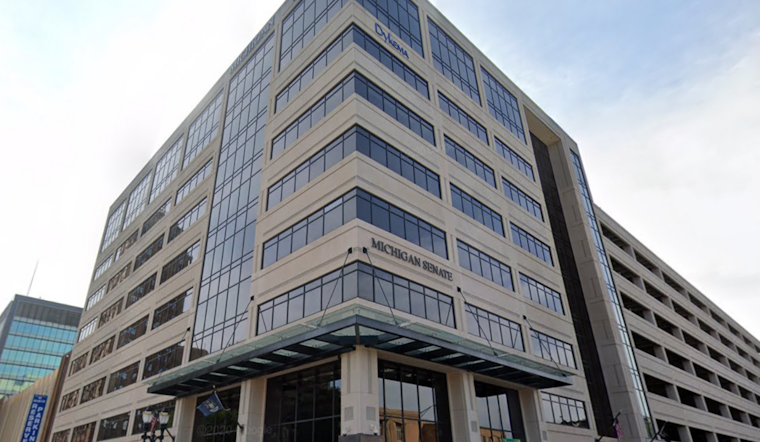
The contest for the U.S. Senate seat in Michigan is heating up as Democratic Rep. Elissa Slotkin and Republican former Rep. Mike Rogers face off in a series of debates. Ahead of their televised showdowns, the first of which is set to air live on WOOD-TV in West Michigan, the candidates have been entrenched in a vigorous exchange of accusations, each trying to underscore the other's perceived shortcomings on critical issues such as China, abortion, and immigration. According to the Detroit Free Press, the discourse is expected to escalate as a $22 million investment from the Senate Leadership Fund bolsters Rogers' campaign, countering Slotkin's endorsement from former President Barack Obama.
In a struggle for a Senate seat not held by a Republican in over three decades, Rogers' path is marked by challenges. Endorsed by Trump, Rogers looks to solidify the fractious GOP coalition while managing the contradictions that come with wooing a base still harboring mixed feelings about the former President's legacy. Meanwhile, Slotkin, having built a substantial war chest for her campaign, is focusing on firming up her support among independent and suburban women voters, a demographic with shifting loyalties in the current political climate. According to ClickOnDetroit, Slotkin leads Rogers with a margin of 3.5%, a narrowing lead that suggests an evolving race.
Michigan's shifting political landscape is palpably felt in the Oakland County suburbs, where the former Republican stronghold presents now a battleground for party allegiances. As noted by the Associated Press, Rogers is focused on winning back voters here, emphasizing his bipartisan approach and downplaying Trump's influence in neighborhoods where the ex-President's mention is a hesitant affair. The Senate race outcome, closely tied to presidential performance and local issues, like reproductive rights, could turn on these suburban sensibilities, which has seen support for abortion rights solidify in ballot proposals. Ultimately, the candidates' ability to resonate with the complexities of Michigan's electorate might tip the scales in a closely observed national contest for power.



