

























































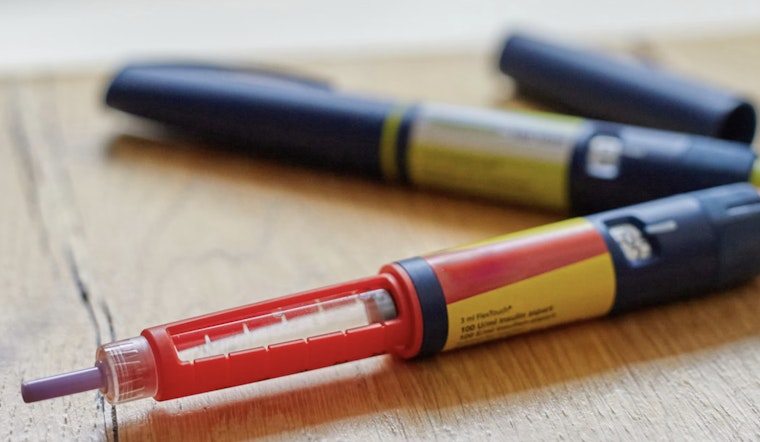
The weight-loss landscape is changing, with a recent study showing a decline in bariatric surgeries and an increase in the use of anti-obesity drugs. Published in JAMA Network Open, the findings indicate a shift in obesity treatment among privately insured individuals.
Researchers from Brigham and Women’s Hospital and Harvard T.H. Chan School of Public Health analyzed data from over 17 million privately insured adults. They found that the use of GLP-1 receptor agonists, such as Ozempic and Wegovy, increased by 132.6 percent in the latter half of 2023 compared to the same period in 2022. During this time, bariatric surgeries declined by 25.6 percent, dropping from 0.22 to 0.16 patients per 1,000, according to the Harvard Gazette. The majority of those studied did not receive either treatment, with only 5 percent using medication and 0.3 percent opting for surgery.
Senior author Thomas C. Tsai, a metabolic bariatric surgeon at Brigham and Women’s Hospital, emphasized the superior and lasting effects of bariatric surgery in fighting obesity, advocating for better access to all forms of obesity treatment. He said, "For now, metabolic bariatric surgery remains the most effective and durable treatment for obesity. National efforts should focus on improving access to obesity treatment — whether pharmacologic or surgical — to ensure patients can receive optimal care," as he told The Harvard Gazette.
Despite their growing popularity, GLP-1 RAs face challenges including steep costs, supply limitations, and side effects that could deter continuity of treatment and weight regain but Tsai notes that as the reliance on GLP-1s to treat obesity increases, it's imperative to study the long-term effects of this shift from surgical to pharmacological interventions there's also a worry that this trend might limit access to comprehensive obesity treatment options. "As patients with obesity increasingly rely on GLP-1s instead of surgical intervention, further research is needed to assess the impact of this shift from surgical to pharmacologic treatment of obesity on long-term patient outcomes," Tsai explained in the Harvard Gazette report.
There's an opportunity here, not just for the pharmaceutical industry but for medical professionals and policymakers as well, to address the gaps in treatment reach. Co-author Ateev Mehrotra of the Brown University School of Public Health points out, "Metabolic bariatric surgery and GLP-1 RAs are both effective interventions for patients with obesity, yet less than 6 percent of patients in our study received either form of treatment," in a statement obtained by The Harvard Gazette. The study ushers in a call to continue monitoring access to effective obesity treatments amid an evolving array of options, emphasizing that less than a handful of patients benefit from these treatments as it stands today.





