

























































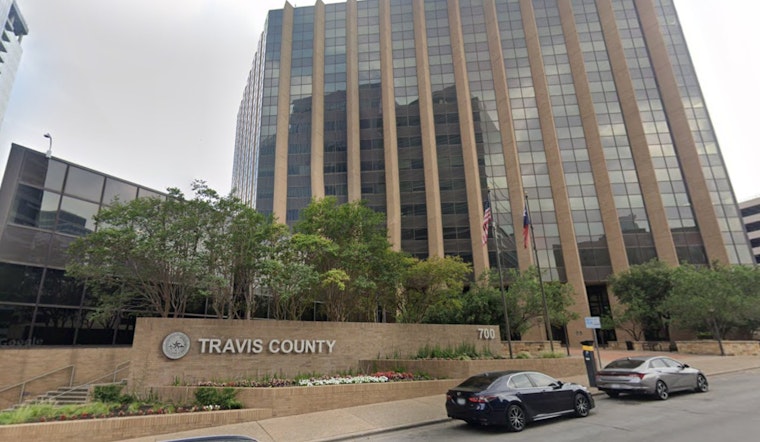
Texas Attorney General Ken Paxton has initiated legal action against the Travis County Commissioners Court, alleging that they have skirted the Texas Open Meetings Act. The accusation centers on a closed-door session that purportedly concluded with an unauthorized allocation of taxpayer funds for security enhancements at the residence of Travis County District Attorney Jose Garza. In a statement released by the Texas Attorney General's Office, Paxton charges that the Commissioners Court did not properly notify the public nor permit them to witness the discussion held on March 19.
In detailing the events, it is stated that immediately after concluding the private session, the Commissioners Court voted to divert $115,000 from the general fund to the office of District Attorney Jose Garza for personal residence security measures. The meeting, having forsaken the prerequisite of allowing public commentary on such proposals, has raised transparency concerns. This action, Paxton argues, is a flagrant breach of the legislative requirements which dictate that governing bodies can only slip into an executive session to deliberate over certain types of issues detailed by state law; enhanced security for a District Attorney's home is not counted among those.
The lawsuit brought by Attorney General Paxton posits that the Commissioners Court has willfully manipulated procedural rules to obscure operations that are, at the very least, meant to be subject to public oversight. "Travis County has illegally abused procedure to conceal self-serving decision-making, to hide from scrutiny, and to prevent citizens from knowing exactly what is being done with their money," Paxton told the Texas Attorney General's Office, highlighting the paradox of seeking taxpayer-funded security in the wake of policies that the Attorney General deems pro-crime and detrimental to Austin's safety.
Amidst the legal fray, the question of appropriate security for public officials is entangled with notions of taxpayer engagement and the boundaries of governmental transparency. The implication that the Travis County DA's home security is a matter unworthy of public executive session only further adds to the complexity, particularly after emergent policies in the county have led, according to the Texas Attorney General's Office, to heightened dangers for its residents. Paxton’s legal challenge signifies a growing discourse on the necessary interplay between public servants' safety, fiscal accountability, and the immutable right of the populace to be privy to the decisions that impact the communal purse.





